
Preloader Close
Hurricane Ties: Why Every Central Florida Home Needs Them
Key Takeaways
- Hurricane ties are essential metal connectors that create a continuous load path between your roof, walls, and foundation, preventing catastrophic structural failure during storms.
- Florida Building Code requires hurricane ties in all new construction, but homes built before 2002 likely need retrofitting to meet current standards.
- Installing hurricane ties can reduce home insurance premiums by up to 15% while significantly increasing your property’s resilience and value.
- Proper installation by qualified professionals ensures maximum protection against winds exceeding 130 mph in Category 3+ hurricanes.
- APC Roofing provides expert hurricane tie installation and roof assessments to ensure Central Florida homes meet or exceed current building codes.
Hurricane Force: The Real Threat to Central Florida Homes
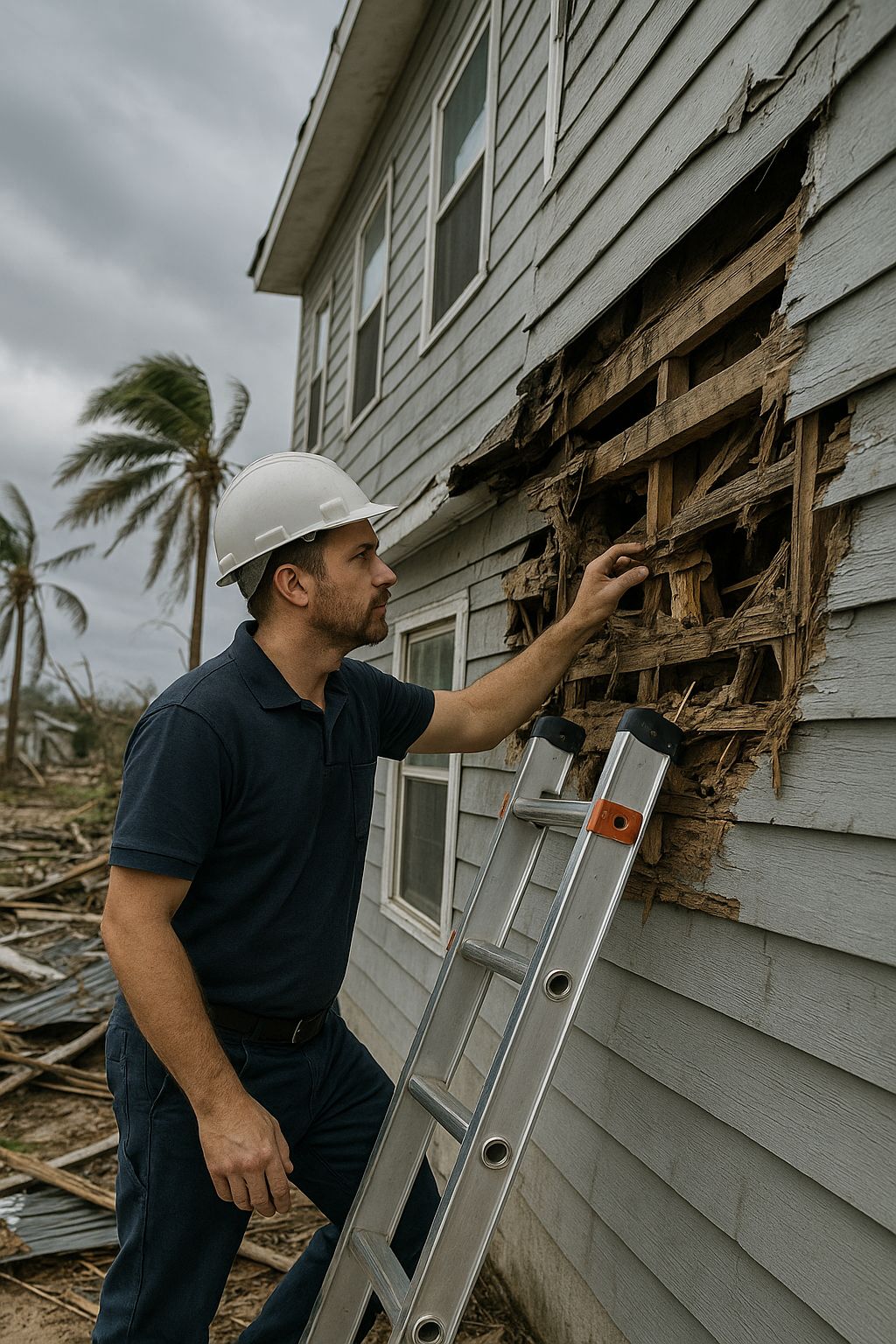
When a hurricane barrels toward Central Florida, your home faces a battle against nature’s most destructive forces. During these powerful storms, wind doesn’t just blow against your house—it creates powerful upward suction that can literally tear your roof from its foundation. This devastating phenomenon has destroyed thousands of Florida homes, turning dreams into debris in mere minutes.
Most Central Florida homeowners understand the importance of hurricane shutters and impact-resistant windows, but many overlook one of the most critical components of hurricane protection: the humble hurricane tie. These small metal connectors form the backbone of your home’s wind resistance system. Without properly installed hurricane ties, even homes with other hurricane protections remain vulnerable to catastrophic structural failures during severe storms.
The threat is particularly acute in Central Florida, where we experience the dual hazard of both Atlantic hurricanes and powerful summer thunderstorms that can generate dangerous straight-line winds. According to APC Roofing, one of Central Florida’s leading roofing specialists, roof damage accounts for nearly 70% of hurricane-related insurance claims in the region. This statistic underscores the critical importance of securing your roof with proper hurricane ties before the next storm hits.
What Are Hurricane Ties and How Do They Protect Your Home?
Hurricane ties are specialized metal connectors designed to create secure attachment points between your home’s structural components. These galvanized steel brackets connect your roof trusses or rafters to the top plate of your home’s walls, creating a continuous load path that transfers the force of wind uplift from the roof down through the walls and into the foundation. Without these critical connections, powerful winds can exploit the weak points in your roof system, potentially causing catastrophic failure during a hurricane.
The Critical Role of Hurricane Ties in Roof Stability
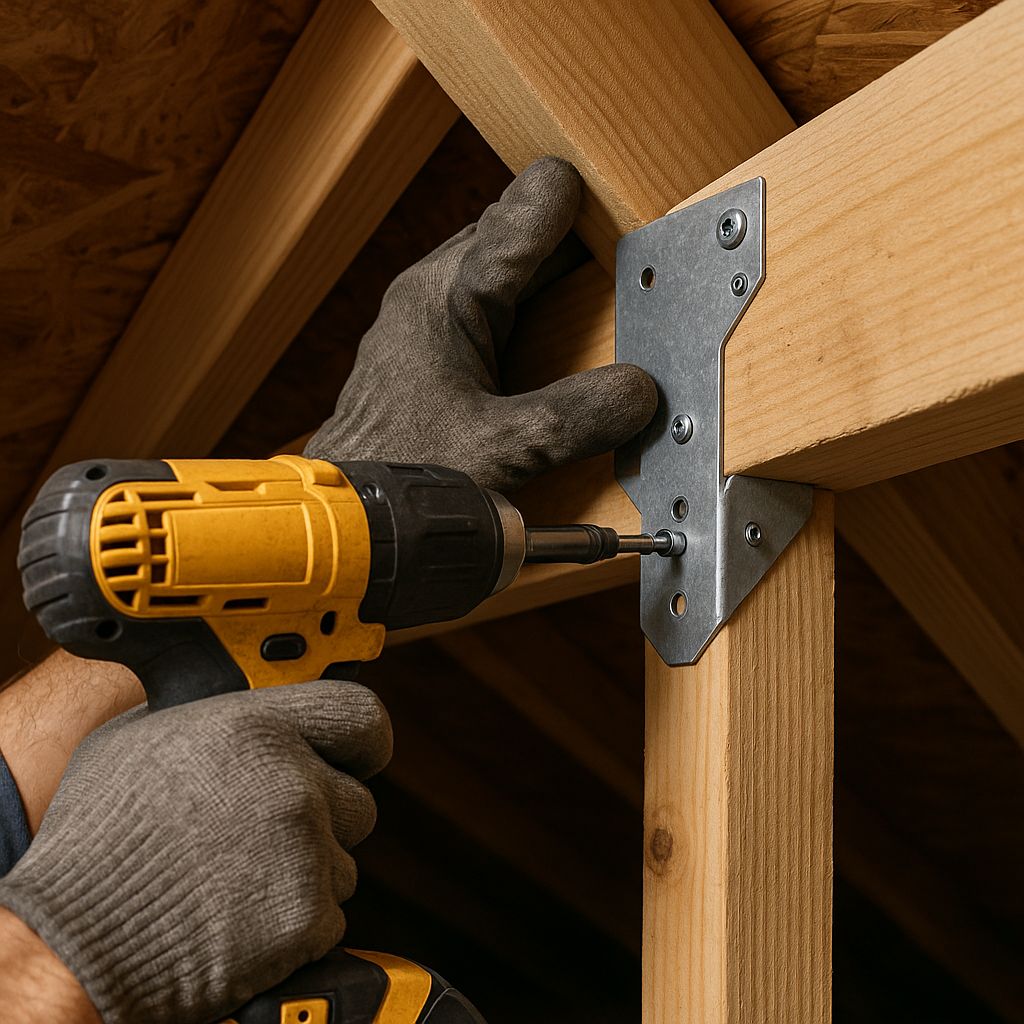
Your roof system faces enormous stress during a hurricane. As winds pass over your roof, they create a powerful lifting effect—similar to how airplane wings generate lift. This uplift can exceed 100 pounds per square foot in Category 3+ hurricanes, generating thousands of pounds of force on your roof structure. Standard nailing techniques simply cannot withstand these forces.
Hurricane ties dramatically increase the connection strength between roof elements and wall framing. A properly installed hurricane tie can resist upward forces exceeding 1,000 pounds at each connection point. With dozens of these ties distributed throughout your roof system, your home gains the structural integrity needed to resist even the most powerful hurricane-force winds.
When integrated into a complete continuous load path system, hurricane ties ensure that wind forces transfer safely through your entire home structure rather than concentrating at vulnerable connection points. This systematic approach to wind resistance is why hurricane ties have become mandatory in Florida building codes for all new construction.
How Hurricane Ties Create a Continuous Load Path
The concept of a continuous load path is fundamental to understanding hurricane protection. Think of your home as a chain—it’s only as strong as its weakest link. Traditional construction methods often create weak points where structural elements meet, especially between horizontal and vertical components like roof trusses and wall studs.
Hurricane ties eliminate these weak points by creating mechanical connections that resist both lifting and lateral forces. These ties connect key structural junction points throughout your home, including roof-to-wall connections, wall-to-wall connections between stories, and wall-to-foundation connections. When properly installed throughout your home, hurricane ties create an unbroken chain of resistance from your roof peak down to your foundation, allowing wind forces to dissipate safely without causing catastrophic failures.
Types of Hurricane Ties for Different Home Structures
Hurricane ties come in various designs to accommodate different roof structures and connection needs. The most common types include H2.5 ties for light-duty connections, H3 ties for medium-duty applications, and H10 ties for heavy-duty situations where maximum uplift resistance is required. Other specialized hurricane ties include twist straps, hurricane clips, and embedded truss anchors—each designed for specific structural configurations and wind resistance requirements.
Hurricane Tie Failure: The Costly Consequences
The consequences of inadequate hurricane protection can be devastating both financially and emotionally. When hurricane ties fail or are absent altogether, homes typically experience progressive structural collapse. The process usually begins with roof uplift, followed by wall failure, and ultimately complete structural collapse. Insurance data from recent Florida hurricanes shows that homes without proper hurricane ties suffered total losses at nearly three times the rate of properly secured structures.
Catastrophic Roof Damage and Total Home Loss
When hurricane-force winds breach your roof system, the damage extends far beyond missing shingles. Once your roof structure begins to fail, wind and water gain access to your home’s interior, causing extensive damage to walls, ceilings, electrical systems, and personal possessions. Even partial roof failures often lead to total home losses due to water intrusion and structural compromise.
Insurance Coverage Issues After Storms
The financial aftermath of hurricane damage can be just as devastating as the physical destruction. Many homeowners are shocked to discover that their insurance policies may deny or reduce claims for homes lacking proper hurricane protection measures. Insurance companies increasingly scrutinize claims for evidence of code compliance and proper hurricane mitigation features.
In the wake of recent catastrophic hurricane seasons, many Florida insurers have implemented stricter requirements for wind damage coverage. Homes without hurricane ties may face significantly higher deductibles, reduced coverage limits, or even policy cancellations. Some insurance companies now require wind mitigation inspections that specifically check for the presence and proper installation of hurricane ties before renewing policies in high-risk zones.
Florida Building Code Requirements for Hurricane Protection
Florida’s building codes have evolved significantly in response to devastating storms like Hurricane Andrew in 1992, which exposed critical weaknesses in residential construction standards. Today’s Florida Building Code contains some of the nation’s most stringent requirements for wind resistance, particularly in high-velocity hurricane zones (HVHZ) along the coast.
Current Standards for New Construction
All new residential construction in Florida must include hurricane ties as part of a comprehensive wind resistance system. The specific requirements vary by location, with coastal areas facing the strictest standards. In Central Florida (Wind Zone 3), homes must be designed to withstand wind speeds of 120-130 mph, requiring robust hurricane tie systems throughout the roof structure.
Current code mandates include specific requirements for the type, quantity, and placement of hurricane ties. For example, in most Central Florida locations, each truss or rafter must connect to wall plates using approved hurricane ties capable of resisting both uplift and lateral forces. Additional requirements address secondary connections between structural elements, ensuring a complete continuous load path from roof to foundation.
The code also specifies proper fastener types and quantities for hurricane tie installation, typically requiring special nails or screws designed for structural connections. These fasteners must penetrate both the roof member and the supporting structure by specific minimum depths to achieve their rated strength.
Requirements for Existing Homes and Renovations
Florida’s building code takes a nuanced approach to existing structures. While homes built before the current codes aren’t automatically required to upgrade to new standards, any substantial renovation (typically defined as work exceeding 50% of the home’s value) triggers mandatory compliance with current hurricane protection requirements, including hurricane tie installation.
Additionally, many Florida municipalities have implemented local ordinances that exceed state minimums, requiring hurricane tie retrofitting during reroof projects or when obtaining permits for other significant work. Central Florida homeowners should consult with local building departments before undertaking any major renovations to understand the hurricane protection requirements that may apply to their specific project.
5 Signs Your Central Florida Home Needs Hurricane Ties
Determining whether your home needs hurricane ties isn’t always obvious to the untrained eye. Most of these crucial connectors remain hidden in attic spaces or behind finished surfaces. However, several key indicators suggest your home may lack adequate hurricane protection.
- Visible roof movement during high winds
- Creaking or popping sounds from the attic during storms
- Failed wind mitigation inspections
- Higher than average insurance premiums
- Previous storm damage to roof structures
If you’ve noticed any of these warning signs, it’s crucial to have a professional roofing contractor conduct a thorough inspection of your home’s hurricane readiness. Early intervention with proper hurricane tie installation can prevent catastrophic damage during the next major storm.
Let’s examine the five most common indicators that your home needs hurricane ties in greater detail.
1. Your Home Was Built Before 2002
The year 2002 marked a significant turning point in Florida building practices with the implementation of the first statewide building code that mandated comprehensive hurricane protection measures. Homes constructed before this watershed year typically lack adequate hurricane ties or may have outdated connector types that don’t meet current standards for wind resistance.
If your Central Florida home predates 2002, there’s a high probability it requires hurricane tie retrofitting to meet current safety standards. Even homes built between 2002 and 2010 may benefit from hurricane tie upgrades, as the code requirements have continued to evolve and strengthen based on new research and post-hurricane damage assessments.
2. Visible Gaps Between Roof Trusses and Wall Plates
A telltale sign of inadequate hurricane protection is visible gaps or loose connections between your roof structure and wall framing. In properly secured homes, these connections should be tight and reinforced with appropriate hurricane ties. An inspection of your attic space can reveal whether your home has these critical connectors installed.
- Look for metal brackets or straps connecting roof trusses to wall top plates
- Check that existing hurricane ties are properly installed with all required fasteners
- Verify that connectors show no signs of corrosion, bending, or damage
- Ensure hurricane ties are present at every truss or rafter connection
If your inspection reveals missing or inadequate hurricane ties, your home likely requires professional retrofitting to achieve proper hurricane protection. Remember that partial hurricane tie installation provides incomplete protection—every truss or rafter connection requires proper securing to create an effective continuous load path.
Even seemingly minor issues like missing nails in hurricane ties can significantly reduce their effectiveness. Research shows that hurricane ties missing just two of their required fasteners can lose up to 60% of their rated strength, potentially leading to connection failure during a storm.
3. Previous Wind Damage to Your Roof
Homes that have already experienced wind damage, even from less powerful storms than hurricanes, demonstrate vulnerability that often indicates inadequate hurricane ties. Damage patterns like partially lifted shingles, displaced roof sections, or damage concentrated at roof edges and corners suggest your home’s roof-to-wall connections may be insufficient to withstand stronger future storms.
When repairing previous storm damage, seize the opportunity to upgrade your home’s hurricane protection system. Many homeowners make the mistake of simply replacing damaged roofing materials without addressing the underlying structural vulnerabilities that allowed the damage to occur in the first place. Adding hurricane ties during roof repairs typically adds minimal cost while dramatically improving future storm resistance.
4. Failed Home Inspection for Hurricane Readiness
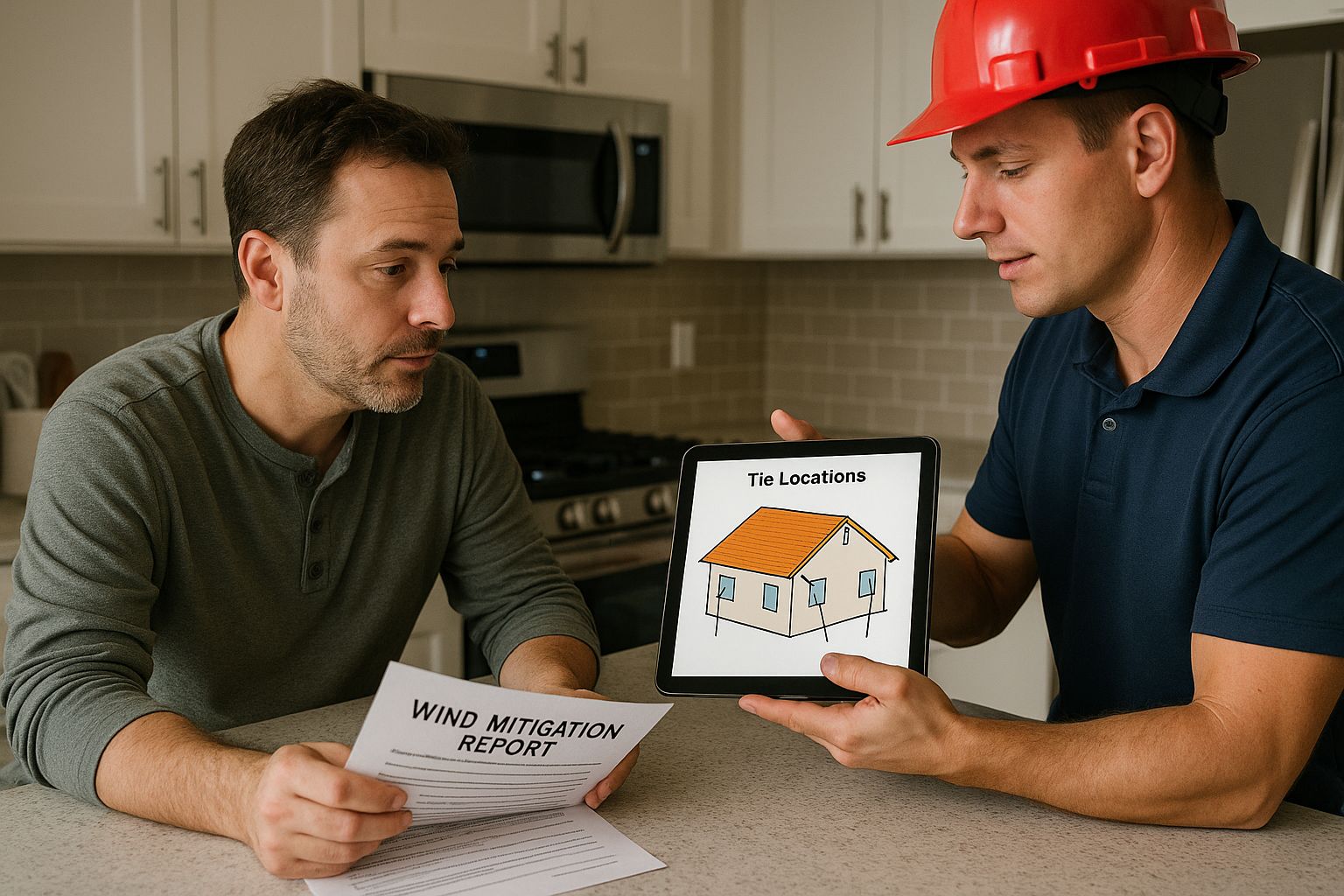
Wind mitigation inspections have become standard practice for Florida homeowners seeking insurance discounts or coverage. These specialized inspections specifically evaluate your home’s ability to withstand hurricane-force winds. If your home failed a wind mitigation inspection or received poor ratings for roof-to-wall connections, this indicates a critical need for hurricane tie installation.
Insurance inspectors are trained to look for specific hurricane protection features, with roof-to-wall connections being one of the most important assessment areas. A failed inspection not only affects your insurance premiums but serves as a professional assessment that your home lacks adequate protection against storms. Consider these inspection failures as early warning signs that your home requires immediate hurricane tie retrofitting.
5. High Insurance Premiums Due to Structural Vulnerabilities
Florida homeowners insurance rates have skyrocketed in recent years, but properties with proper hurricane protection often qualify for substantial discounts. If you’re paying significantly higher premiums than neighbors with similar homes, inadequate hurricane ties might be a contributing factor. Insurance companies use sophisticated risk models that specifically account for the presence of hurricane ties when calculating premiums.
Many homeowners are surprised to discover that investing in hurricane tie installation can reduce insurance premiums by 10-15% annually, often paying for the improvement within just a few years. Beyond the immediate insurance savings, the peace of mind and protection value far exceed the modest investment required for proper hurricane tie installation.
The Cost vs. Benefit of Installing Hurricane Ties
When evaluating hurricane protection measures, homeowners naturally consider the financial equation: Do the benefits justify the costs? For hurricane ties, the cost-benefit analysis overwhelmingly favors installation. The relatively modest investment in hurricane ties delivers exceptional returns in terms of protection value, insurance savings, and home appreciation.
Average Installation Costs in Central Florida
The cost of hurricane tie installation varies based on your home’s size, roof configuration, and accessibility. For a typical 2,000-square-foot Central Florida home, professional hurricane tie installation generally ranges from $800 to $2,500 for retrofit applications. New construction integration is significantly less expensive, typically adding only $200-$500 to building costs.
These costs reflect professional installation by qualified contractors, including all necessary materials and labor. While DIY options exist, professional installation ensures proper placement, fastener selection, and compliance with current building codes—critical factors in achieving the full protection benefits of hurricane ties.
Hurricane Tie Installation: Cost-Benefit Analysis for Typical Central Florida Home
Initial investment: $800-$2,500
Annual insurance savings: $200-$600
Home value increase: 3-7% ($6,000-$14,000 on $200,000 home)
Potential storm damage prevention: $20,000-$200,000+
Return on investment timeframe: 2-5 years (insurance savings alone)
Peace of mind: Priceless
Potential Insurance Premium Savings
Hurricane tie installation typically qualifies for substantial insurance discounts through Florida’s wind mitigation credit system. Most Florida insurers offer premium discounts ranging from 10% to 15% for homes with verified hurricane tie systems that create a complete load path. For a typical Central Florida home with a $2,000 annual premium, these discounts translate to $200-$300 in annual savings.
To maximize insurance savings, ensure your hurricane tie installation is documented with before-and-after photographs and verified by a certified wind mitigation inspector. This documentation provides proof of compliance to your insurance company and ensures you receive all eligible discounts. Some insurance companies even offer additional discounts when hurricane ties are installed as part of a comprehensive storm protection system.
Home Value Increase After Hurricane Retrofitting
Beyond insurance savings, hurricane tie installation adds tangible value to your home. Real estate data from Florida markets shows that homes with documented hurricane protection features command premium prices and sell faster than comparable properties lacking these features. The value-add typically ranges from 3-7% of home value—significantly exceeding the installation cost.
This value increase becomes particularly important when selling your home, as buyers increasingly prioritize hurricane readiness in their purchasing decisions. Documented hurricane tie installation provides objective evidence that your home offers superior protection against one of Florida’s most significant natural hazards.
DIY or Professional Installation: Making the Right Choice
Homeowners facing hurricane tie decisions often wonder whether DIY installation is a viable option. While hurricane ties themselves are relatively simple devices, their effectiveness depends entirely on proper selection, placement, and fastening. The critical nature of these connections in protecting your home during life-threatening storms makes this decision particularly important.
When DIY Installation Makes Sense
For homeowners with significant construction experience and knowledge of structural connections, DIY hurricane tie installation may be appropriate in limited circumstances. This approach works best for homes with easily accessible attic spaces and simple roof configurations. DIYers should be prepared to research current building code requirements, purchase specialized fasteners, and follow manufacturer installation guidelines precisely.
If pursuing DIY installation, consider these essential requirements:
- Complete understanding of your local building code requirements for hurricane ties
- Ability to identify and properly secure to structural framing members
- Access to specialized structural fasteners and installation tools
- Willingness to document the installation process for future inspection
- Understanding of proper spacing and placement for maximum effectiveness
Even experienced DIYers should consider having their work inspected by a professional to verify proper installation. Remember that improperly installed hurricane ties may provide a false sense of security while failing to deliver adequate protection during actual storms.
Why Most Homeowners Should Choose Professional Installation
For the vast majority of homeowners, professional hurricane tie installation offers significant advantages over DIY approaches. Professional installers bring specialized knowledge, experience, and equipment that ensure hurricane ties perform as designed during critical storm situations. They understand the specific requirements of Florida’s building codes and can identify and address related structural issues that might compromise your home’s hurricane resistance.
Beyond Hurricane Ties: Creating a Complete Storm Defense System
While hurricane ties form a critical component of storm protection, they work best as part of an integrated defense system. Comprehensive hurricane protection addresses all vulnerable areas of your home, creating multiple layers of defense against wind, water, and flying debris. Modern storm protection systems combine structural reinforcement with specialized building envelope components designed to resist hurricane forces.
Impact-Resistant Windows and Doors
Windows and doors represent significant vulnerability points during hurricanes, both from direct wind pressure and from impacts by wind-borne debris. Impact-resistant windows feature laminated glass similar to car windshields, allowing them to withstand direct impacts without shattering. These specialized windows maintain the building envelope even when cracked, preventing the pressure differentials that can lead to catastrophic structural failures.
When paired with hurricane ties, impact-resistant windows and doors create a synergistic protection system. The hurricane ties prevent roof uplift while the impact-resistant openings prevent internal pressurization that could amplify forces on the roof structure. This integrated approach provides significantly greater protection than either system alone.
Roof Strapping and Bracing Options
Advanced hurricane protection systems often incorporate additional roof reinforcement beyond basic hurricane ties. Lateral bracing of gable ends, ridge strapping, and secondary water barriers beneath roofing materials provide complementary protection that addresses different aspects of storm vulnerability. These systems work together to maintain roof integrity under the complex forces generated during hurricanes.
Foundation Anchoring Systems
The most comprehensive hurricane protection creates a continuous load path from roof to foundation. Foundation anchoring systems use specialized connectors to secure wall framing directly to concrete foundations, preventing lateral movement and uplift at the base of the structure. These systems complete the load path initiated by hurricane ties, ensuring that wind forces transfer safely through the entire structure into the ground.
For Central Florida homes, professional roof contractors can evaluate your specific needs and recommend the most cost-effective combination of hurricane protection measures. This tailored approach ensures you invest in the protections that deliver the greatest benefit for your specific home configuration and location.
By integrating hurricane ties with these complementary systems, homeowners create a defense-in-depth approach that significantly enhances storm survival probability. Each system addresses specific vulnerabilities, with the combined effect exceeding the protection offered by any single measure.
Act Now to Protect Your Home Before the Next Storm
- Schedule a professional hurricane readiness inspection to identify vulnerabilities
- Obtain multiple quotes from qualified contractors specializing in hurricane protection
- Contact your insurance company to understand available discounts for hurricane tie installation
- Document your current roof connections for comparison after improvements
- Consider combining hurricane tie installation with other scheduled roof maintenance
The time to install hurricane ties is well before storm warnings appear on weather radars. Hurricane protection requires advance planning and professional installation under controlled conditions. Waiting until storm season arrives often means facing contractor backlogs, materials shortages, and rushed installations that may compromise effectiveness.
Central Florida’s unpredictable weather patterns mean that severe storms can threaten with minimal warning. Investing in hurricane ties now provides immediate protection that remains in place year-round, ready to perform when severe weather strikes. This proactive approach to home protection aligns with the wisdom that has guided Florida’s most storm-resilient communities: prepare thoroughly during fair weather to weather the inevitable storms.
For homeowners seeking expert guidance on hurricane tie installation and comprehensive roof protection, APC Roofing offers professional assessments tailored to Central Florida’s unique hurricane risks. Their experienced team can identify your home’s specific vulnerabilities and recommend the most effective protection strategies for your budget and needs.
Frequently Asked Questions
As Central Florida homeowners consider hurricane tie installation, several common questions arise. These answers provide quick guidance on the most frequently asked hurricane tie questions.
How long does hurricane tie installation typically take?
For most average-sized homes, professional hurricane tie retrofitting takes 1-2 days to complete. The timeline depends on your home’s size, roof complexity, and accessibility of connection points. New construction integration happens during the framing stage and adds minimal time to the building process. Your contractor should provide a specific timeframe after inspecting your home’s particular configuration.
Can hurricane ties be installed on any type of roof?
Hurricane ties can be adapted to most residential roof types, including truss systems, rafter framing, and engineered roof components. However, the specific type of hurricane tie and installation method varies based on your roof construction. Some older homes with unusual framing systems may require custom solutions designed by structural engineers. A professional roofing contractor can assess your specific roof system and recommend appropriate hurricane tie options.
Will my homeowners insurance cover hurricane tie installation?
Standard homeowners insurance typically doesn’t cover preventative measures like hurricane tie installation. However, some insurance companies offer special programs that subsidize or incentivize hurricane protection improvements. Additionally, if you’re repairing insured storm damage, your policy may cover code-required upgrades including hurricane ties. Check with your insurance agent about specific programs that might help offset installation costs, and remember that the premium discounts after installation often recover the investment within a few years.
Do hurricane ties need maintenance after installation?
Once properly installed, hurricane ties require minimal maintenance. During annual roof inspections, have your contractor verify that connections remain secure and free of significant corrosion. In coastal areas with salt exposure, galvanized or stainless steel hurricane ties may eventually show corrosion and require replacement—typically after 15-25 years. Most inland Central Florida installations remain effective for the life of the roof structure when properly installed with corrosion-resistant fasteners.
Can I install hurricane ties myself if I have construction experience?
While technically possible for those with significant construction knowledge, DIY hurricane tie installation presents several challenges. Proper installation requires understanding of structural load paths, correct fastener selection, and precise placement according to current building codes. Additionally, improper installation may invalidate potential insurance discounts and could create a false sense of security. For most homeowners, professional installation ensures proper protection and documentation for insurance purposes, with costs often offset by premium discounts and increased home value.
Hurricane ties represent one of the most cost-effective investments Central Florida homeowners can make in protecting their property and family from storm damage. These simple yet critical components create the structural integrity needed to withstand Florida’s inevitable hurricanes and severe storms. By understanding their importance and ensuring proper installation, you take a significant step toward creating a truly storm-resistant home.
Protect your Roof. Lower Your Premiums. Sleep Better Before the Next Storm.
CK Select Roofing installs code-compliant hurricane ties and provides wind-mitigation documentation that can reduce your insurance costs and boost your home’s resilience.
Visit CK Select Roofing to schedule your hurricane-tie assessment with CK Select Roofing today.
Leave A Comment