Preloader Close
Do I Need A Contractor For A Roof Insurance Claims: Deltona Expert Explains
Key Takeaways
- Hiring a contractor for your roof insurance claim in Deltona increases approval chances by up to 70% through professional documentation and damage assessment
- Insurance adjusters often miss hidden roof damage that experienced contractors can identify and document properly
- Florida’s specific roofing regulations and recent insurance law changes require specialized knowledge that most homeowners don’t possess
- While DIY claims may work for minor damage, severe weather events common in Deltona typically require professional assistance
- Local contractors understand Deltona’s unique weather patterns and how they affect insurance claims in ways out-of-area adjusters might miss
Why Most Deltona Homeowners Need Professional Help With Roof Claims
After a severe storm rolls through Deltona, that damaged roof over your head suddenly becomes your biggest priority. Filing an insurance claim might seem straightforward – take some photos, call your insurer, and wait for a check. That approach works fine for minor issues, but when it comes to significant roof damage, going it alone often leads to undervalued claims or outright denials. According to industry data, homeowners who work with qualified roofing contractors on their claims receive on average 30% more in their settlements compared to those who handle claims themselves.
The reality is that roof damage assessment requires specialized knowledge that most homeowners simply don’t have. When I inspect roofs in Deltona after storms, I frequently find significant damage that homeowners completely missed – cracked underlayment, lifted shingles that haven’t blown off yet, and damage to roof components that aren’t visible from the ground. Insurance adjusters, who might spend just 20-30 minutes on your roof, often miss these issues too, especially when they’re handling dozens of claims after a major weather event.
Deltona’s location in Florida creates additional complexities for roof claims. Our unique weather patterns – from hurricane-force winds to intense UV exposure and heavy seasonal rains – create damage patterns that differ from those in other regions. Local contractors who work exclusively in this area understand these patterns and can properly document them in ways that satisfy insurance requirements. This local knowledge becomes particularly valuable when dealing with adjusters who may be brought in from other states after major storms and lack familiarity with Florida’s specific roofing issues and construction codes.
How Insurance Companies Evaluate Roof Damage Claims
Insurance companies approach roof claims with a systematic process designed to minimize their costs while meeting their contractual obligations. Understanding this process is crucial for successful claims. When you file a claim, the insurance company’s primary goal isn’t to fully restore your roof – it’s to settle the claim as efficiently and economically as possible while adhering to the specific terms of your policy. For homeowners in hurricane-prone areas, it’s important to be aware of roof preparation strategies to ensure claims are processed smoothly.
Most homeowners are surprised to learn that insurance companies regularly deny legitimate claims based on technicalities or assessments that don’t capture the full extent of the damage. A recent industry study found that approximately 30% of initial roof damage claims are denied, with many eventually approved after professional contractor involvement. This isn’t necessarily because insurance companies are dishonest, but because their adjusters follow specific protocols that often don’t account for the complexities of roof damage.
The Insurance Adjuster’s Assessment Process
When an adjuster arrives at your Deltona home, they’re working from a standardized playbook. They’ll typically spend 20-45 minutes examining your roof, taking photographs, and making notes according to their company’s specific criteria. During this brief assessment, they’re looking for obvious signs of damage that clearly fall within your policy’s coverage terms. What they’re not doing is conducting a comprehensive roof inspection – they don’t remove shingles to check the decking, they rarely inspect the attic for water intrusion, and they’re not testing the integrity of flashing and other critical components. For a more detailed examination, consider scheduling critical roof inspections to ensure your roof’s resilience.
The adjuster will classify damage into categories like wind damage, hail damage, or wear and tear – with only certain categories qualifying for coverage under most policies. In Deltona, where we experience complex weather events like hurricanes that create combined wind and water damage, this categorization process often works against homeowners. An experienced contractor knows how to properly document damage in ways that clearly demonstrate covered perils caused the damage, not excluded conditions like normal wear and tear.
Common Reasons Roof Claims Get Denied
Insurance companies cite several common reasons for denying roof claims in the Deltona area. Age-related deterioration tops the list, with insurers often arguing that damage resulted from normal wear rather than a specific covered event. This distinction is critical – and often subjective. Without a contractor’s expert assessment, homeowners frequently lack the evidence needed to challenge these determinations.
Maintenance issues represent another major denial category. If an adjuster identifies what they consider pre-existing damage or maintenance failures, they’ll likely deny coverage for related damage even if a storm was the primary cause. For example, if your roof had minor unrepaired damage before a hurricane caused major damage, the insurer might deny the entire claim based on failure to maintain the property. A qualified contractor can help separate pre-existing conditions from new damage with proper documentation.
Perhaps most frustrating are denials based on improper documentation or missed filing deadlines. The claims process involves strict timelines and specific documentation requirements that vary by insurance company. Without professional guidance, homeowners often make innocent mistakes that give insurers legal grounds to deny otherwise valid claims.
What Your Policy Actually Covers vs. What You Think It Covers
The gap between what homeowners believe their insurance covers and what policies actually cover creates significant frustration during the claims process. Most Deltona homeowners I work with are stunned to discover their policy doesn’t automatically cover full roof replacement after a hurricane or that certain types of water damage aren’t covered without supplemental policies. The technical language in insurance policies deliberately creates ambiguity that typically benefits the insurer, not the policyholder.
5 Critical Ways Contractors Help With Insurance Claims
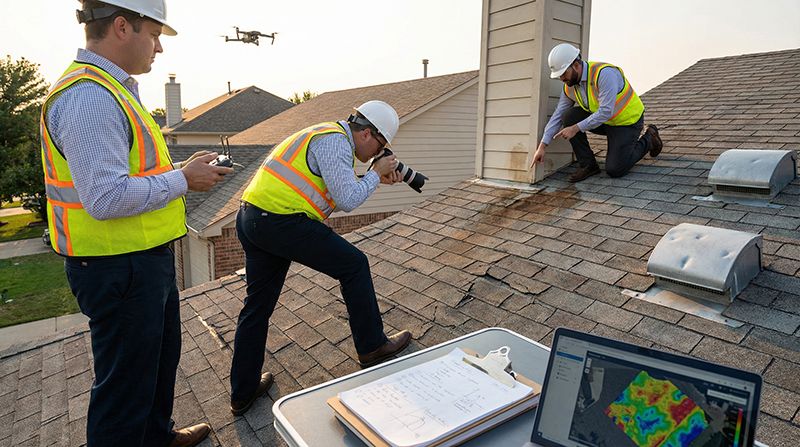
When it comes to navigating the complex process of roof insurance claims, having a professional contractor in your corner dramatically improves your chances of success. The value of professional assistance becomes even more apparent when dealing with the specific challenges of Deltona’s weather patterns and Florida’s ever-changing insurance regulations. Let me walk you through exactly how contractors make a difference in the claims process.
1. Professional Damage Documentation That Adjusters Respect
The foundation of any successful roof claim is thorough, credible documentation. When I document roof damage for Deltona homeowners, I’m creating a comprehensive record that insurance companies find difficult to dispute. This includes high-resolution photographs from multiple angles, detailed measurements, and specific notes about damage to each roof component – from shingles and flashing to underlayment and decking.
Professional documentation goes far beyond what most homeowners can produce on their own. We use specialized equipment like moisture meters to detect water infiltration beneath the surface, infrared cameras to identify temperature differences that signal damage not visible to the naked eye, and drone technology for comprehensive aerial documentation. This level of detail creates a compelling case that often results in higher claim approvals and fewer disputes with adjusters.
2. Accurate Repair Cost Estimates
One of the most common pitfalls in DIY roof claims is underestimating the true cost of proper repairs. Insurance companies rely on standardized pricing software that often doesn’t account for Deltona’s specific market conditions, material availability, or the complexity of certain repairs. For a comprehensive understanding of these challenges, you can refer to this guide on critical roof inspections. This leads to settlements that fall short of covering actual repair costs.
Professional contractors provide detailed, itemized estimates based on current local pricing for materials and labor. These estimates include critical components that homeowners often forget – like permits, code compliance upgrades, debris removal, and protection of your property during repairs. Having this comprehensive estimate during the claims process helps ensure your settlement will actually cover the necessary work to properly restore your roof.
When comparing contractor estimates with insurance adjuster estimates, we often find discrepancies of 25-40% in total project costs. This gap represents money that comes directly out of your pocket if your claim isn’t properly documented and negotiated.
3. Technical Expertise to Identify Hidden Damage
Perhaps the most valuable service contractors provide is identifying damage that’s not immediately obvious. After major storms in Deltona, I frequently discover significant hidden damage that homeowners and even some insurance adjusters miss during initial inspections. Wind damage, for instance, might lift shingles without tearing them off – creating water entry points that won’t be visible until leaks develop months later.
Experienced contractors know exactly where to look for these hidden issues based on the specific weather event that affected your home. We understand that hurricane-force winds create different damage patterns than typical thunderstorms, and we know which roof components are most vulnerable to each type of weather event. This expertise ensures that all damage – not just the obvious problems – is documented and included in your claim.
Additionally, contractors can identify secondary damage that might qualify for coverage. For example, if wind damages your roof and allows water infiltration into your attic, the resulting damage to insulation and ceiling materials should be included in your claim. Without professional assessment, these secondary issues often go undocumented and unclaimed.
4. Insurance Language Translation and Negotiation
Insurance policies are written in highly technical language that creates significant advantages for insurance companies when dealing with homeowners who don’t understand industry terminology. Professional contractors function as translators, helping you understand what your policy actually covers and how to properly describe damage in terms that align with coverage provisions.
Beyond translation, experienced contractors know how to effectively negotiate with adjusters. We understand insurance companies’ standard objections and have developed effective counters based on industry standards and building codes. This negotiation expertise often makes the difference between a denied claim and an approved one, or between a partial settlement and full coverage for necessary repairs.
The most significant benefit comes when contractors can meet with adjusters during their inspection. This face-to-face interaction allows for real-time discussion of findings, immediate clarification of technical details, and often on-the-spot resolution of potential disputes. In my experience, claims where I’ve met with the adjuster have a significantly higher approval rate than those where homeowners meet with adjusters alone.
5. Compliance With Florida-Specific Roofing Regulations
Florida’s building codes and insurance regulations are among the most complex in the nation, especially for roofing. These regulations change frequently, with major updates after significant storm events. Most Deltona homeowners aren’t aware of these technical requirements, but insurance companies certainly are – and they use homeowners’ lack of knowledge to deny claims based on compliance issues.
Professional roofing contractors stay current with these regulations as part of their business. We ensure that all documentation and repair plans comply with current Florida building code requirements, including wind mitigation standards, material specifications, and installation methods. This compliance knowledge prevents claim denials based on technical regulatory issues that homeowners wouldn’t know to address.
- Florida Building Code requirements for roof systems in high-velocity hurricane zones
- Updated wind mitigation standards that affect repair specifications
- Documentation requirements specific to Florida insurance claims
- Recent legislative changes affecting how claims must be filed and processed
- Local Deltona code enforcement requirements that may exceed state minimums
Beyond just knowing these regulations, professional contractors maintain relationships with local building officials and stay informed about how these rules are being interpreted and enforced in Deltona specifically. This local regulatory knowledge provides another layer of protection for your claim that out-of-area adjusters or homeowners handling their own claims simply can’t match. For more information on how hip roofs perform better in Florida hurricane winds, consider exploring expert insights.
DIY Claim Filing: When It Might Work
While I generally recommend professional assistance for roof claims, there are specific scenarios where handling a claim yourself might be appropriate. Understanding when DIY claims make sense can save you time and potentially contractor fees for very straightforward situations. For those preparing for hurricane season, it’s crucial to conduct critical roof inspections to ensure your roof is in top condition.
Minor Damage Scenarios Where DIY Claims Make Sense
For truly minor damage that’s limited in scope and clearly visible, DIY claims can be effective. Examples include a small number of shingles blown off during a thunderstorm, minor damage from a fallen branch that affected a single, accessible area of your roof, or damage to roof accessories like a single vent or small section of gutter. These limited damage scenarios typically involve straightforward repairs with easily estimated costs. For more comprehensive preparation, consider reviewing our roof preparation guide.
The key factors that make DIY claims viable are visibility and simplicity. If you can safely photograph all the damage from the ground or with a simple ladder setup, and if the cause of damage is obvious and clearly covered by your policy, you might successfully handle the claim yourself. This approach works best when you’ve had a good relationship with your insurance company and have a clear understanding of your coverage terms.
- A few missing shingles after a windstorm (less than 10-15 total)
- Damage limited to a small, accessible area of the roof
- Simple repairs that don’t require assessment of underlying structures
- Damage from a single, well-documented event like a fallen tree branch
- Claims where your deductible is close to the expected repair cost
Remember that even with seemingly minor damage, hidden issues may exist. If your DIY claim is approved but you later discover additional related damage during repairs, reopening the claim becomes significantly more difficult. This represents the primary risk of handling even simple claims without professional assistance.
The Contractor-Adjuster Meeting: What to Expect
When your contractor meets with the insurance adjuster at your Deltona property, this critical interaction often determines the outcome of your claim. I recommend being present for this meeting, but let your contractor take the lead in discussing technical aspects. The meeting typically starts with introductions and a walkthrough of damage areas, with both parties taking photographs and notes.
During this inspection, your contractor will point out all identified damage, especially those issues the adjuster might overlook. Expect some back-and-forth discussion about cause of damage, repair requirements, and necessary materials. Good contractors maintain a professional relationship with adjusters while firmly advocating for proper repairs. Remember that adjusters appreciate working with knowledgeable professionals who can speak their language rather than emotional homeowners.
After the physical inspection, the parties will usually discuss next steps and timelines. Your contractor should take detailed notes about what the adjuster acknowledged and any disagreements that emerged. This documentation becomes crucial if disputes arise later in the claims process. Within 24-48 hours of this meeting, ask your contractor for a full briefing on how the meeting went and what to expect next from your insurance company.
What To Bring To The Contractor-Adjuster Meeting
• Copy of your insurance policy
• Previous inspection reports or roof maintenance records
• Photos taken immediately after the damage occurred
• Written timeline of events (storm date, when damage was discovered, etc.)
• List of any temporary repairs already completed
• Questions you want answered during the inspection
Red Flags: When a Contractor Might Be Hurting Your Claim
While most roofing contractors in Deltona are honest professionals, some practices can seriously damage your insurance claim and potentially leave you in a worse position. Recognizing these warning signs early can save you significant headaches and financial losses. Be particularly cautious of contractors who appear immediately after storms, offer to pay your deductible (which is illegal in Florida), or pressure you to sign documents before your insurance company has been contacted. For more on how to protect your home during storm season, check out this complete roof preparation guide.
Warning Signs of Dishonest Contractors
The most dangerous contractors are those who make promises that sound too good to be true – because they typically are. Be immediately suspicious of anyone guaranteeing they can get your insurance to pay for a new roof regardless of actual damage or claiming special relationships with insurance companies that will ensure approval. These claims often indicate contractors who engage in fraudulent practices that could invalidate your insurance coverage entirely.
Immediate Red Flags in Contractor Behavior
• Offering to pay or “absorb” your deductible
• Pressuring you to sign an Assignment of Benefits (AOB) immediately
• Providing dramatically different damage assessments than other contractors
• Suggesting they can “find” damage that isn’t visible
• Refusing to provide local references or proof of insurance
• Demanding large upfront payments before insurance approval
Pay careful attention to any contractor who suggests artificially inflating damage or making your roof “look worse” before the adjuster arrives. These unethical practices constitute insurance fraud, which is aggressively prosecuted in Florida. Not only could this lead to claim denial, but you could potentially face legal consequences and policy cancellation that makes future coverage difficult to obtain.
Also be wary of contractors who pressure you to sign an Assignment of Benefits form immediately. While AOBs can be legitimate tools, they effectively sign over your insurance rights to the contractor, giving them control over your claim. Dishonest contractors may use AOBs to inflate claims, perform unnecessary work, or even collect insurance payments without completing repairs properly. Recent Florida law changes have placed more restrictions on AOBs, but they remain potentially problematic if misused.
Look for contractors who spend minimal time on your roof during assessment or who produce generic, template-style documentation rather than specific details about your property. Quality contractors thoroughly document each unique situation with property-specific details, measurements, and photographs. Generic documentation suggests the contractor isn’t investing the proper effort to accurately assess your specific damage, which will likely result in problems during the claims process.
Florida’s New Laws on Contractor Conduct for Insurance Claims
Florida has implemented significant legislative changes in recent years specifically targeting roof insurance claims. These laws restrict how contractors can advertise, interact with homeowners regarding insurance, and handle the claims process. For example, contractors can no longer offer incentives to homeowners for allowing them to inspect roofs for damage, and there are strict regulations about how they can discuss potential insurance coverage for repairs. Most importantly, contractors cannot file claims on homeowners’ behalf or directly communicate with insurance companies without specific legal authorization.
Always verify that your contractor is following these updated regulations. Reputable Deltona contractors stay current with these laws and operate transparently within their guidelines. If a contractor suggests practices that seem to circumvent these regulations – like having you sign blank forms or documents with “estimated” damage amounts – consider this a serious warning sign and seek a different professional for your claim.
Make the Right Choice for Your Deltona Roof
Navigating roof insurance claims doesn’t have to be overwhelming when you partner with the right professional. An experienced, ethical contractor provides the technical expertise, documentation skills, and advocacy needed to maximize your claim while ensuring your roof receives proper repairs that will protect your Deltona home for years to come. By understanding the insurance process, recognizing the value professional contractors bring to claims, and knowing how to identify reliable professionals, you’re well-equipped to make decisions that protect both your home and financial interests. For complex damage or significant claims, the investment in professional assistance typically pays for itself many times over through increased claim settlements and properly executed repairs.
Frequently Asked Questions
Here are answers to some of the most common questions Deltona homeowners have about working with contractors on roof insurance claims. These responses reflect the current insurance landscape in Florida and specifically address concerns relevant to our local Deltona conditions.
Remember that while these answers provide general guidance, each insurance policy has unique terms and conditions. Always review your specific policy and consult with qualified professionals about your particular situation.
How much does it cost to hire a contractor for my insurance claim?
Most reputable roofing contractors in Deltona don’t charge for initial inspections or for help with standard insurance claim documentation. Their compensation comes from performing the actual repair work if your claim is approved. Be cautious of contractors who charge upfront fees specifically for claim assistance, as this may indicate they’re more interested in consulting fees than actual roofing work. However, if your claim situation becomes complex or involves disputes with your insurance company, some contractors may recommend independent public adjusters who do charge a percentage of the claim settlement (typically 10-20%) for their specialized services.
Can my insurance company force me to use their preferred contractor in Florida?
No, Florida law protects your right to choose your own contractor for repairs. While insurance companies can and do recommend their “preferred vendors,” you are not obligated to use them. Your policy likely states that repairs must be completed by “qualified” or “licensed” contractors, but this doesn’t restrict you to the insurer’s network. Be aware that some insurance companies may imply that using their contractors ensures coverage or speeds up the process, but standing firm on your right to choose is legally protected.
What documentation should my roofing contractor provide for the insurance claim?
At minimum, your contractor should provide a detailed damage assessment report with specific locations and types of damage, comprehensive photographs documenting all damaged areas, an itemized estimate breaking down materials and labor costs, and a written professional opinion regarding cause of damage. This documentation should clearly connect the damage to covered perils in your policy. For more information on preparing for extreme weather, check out this guide on critical roof inspections before hurricane season.
Additionally, quality contractors will provide copies of their license, insurance certificates, local references, and a detailed scope of work that specifies exactly what repairs will be performed. These documents not only support your insurance claim but also protect you by clearly establishing expectations for the repair work.
How long do roof insurance claims typically take in Deltona?
In normal conditions, Deltona roof claims typically take 2-6 weeks from filing to settlement. However, after major storms or hurricanes, this timeline can extend to 2-3 months due to the high volume of claims. Florida insurance regulations require companies to acknowledge claims within 14 days and make a determination within 90 days, but these deadlines are often stretched during disaster situations. Working with an experienced contractor who provides thorough documentation upfront can help expedite the process by reducing the need for additional inspections or information requests from your insurance company.
Can I switch contractors after filing a claim if I’m not satisfied?
Yes, you can change contractors at any point before work begins, even if you’ve already filed a claim using documentation from your original contractor. Your insurance settlement is paid to you (unless you’ve signed an Assignment of Benefits), not to the contractor, so you maintain the right to choose who performs the work. If you’ve signed a contract with your original roofer, review the cancellation terms carefully – most have provisions for cancellation within 3-5 days of signing, but may include cancellation fees after that period.
If you switch contractors after your claim has been approved, have your new contractor review the insurance company’s scope of work and payment to ensure it adequately covers all necessary repairs. If the new contractor identifies additional issues or discrepancies, they can help you file a supplemental claim for any items not included in the original settlement.