Preloader Close
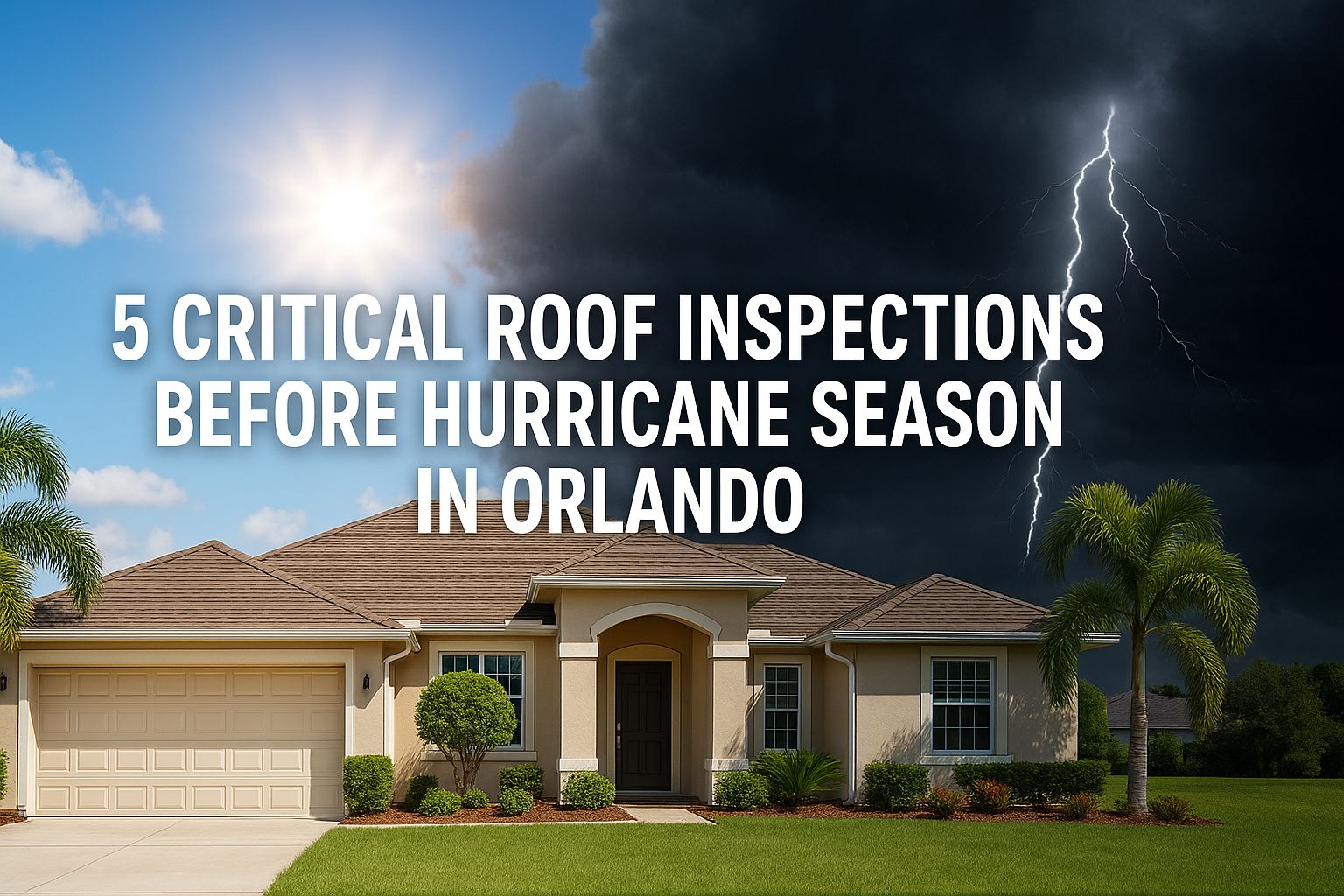
5 Critical Roof Inspections Before Hurricane Season in Orlando
Key Takeaways
- Professional roof inspections before hurricane season can prevent catastrophic damage and potentially save Orlando homeowners thousands in repair costs.
- Five critical areas to inspect include structural integrity, shingles/tiles, gutter systems, flashing/waterproofing, and attic ventilation.
- Documented roof inspections significantly improve the chances of successful insurance claims after storm damage.
- Early detection of minor issues prevents them from becoming major vulnerabilities during hurricane-force winds and heavy rainfall.
- Winter Springs Roofing and Repair recommends scheduling comprehensive roof inspections at least 2-3 months before hurricane season begins.
Orlando’s hurricane season looms large on the horizon. Waiting until storm warnings flash across your TV is too late for roof preparations – by then, roofing companies are swamped and materials are in short supply. A comprehensive roof inspection now can be the difference between weathering the storm safely and facing catastrophic home damage.
Why Orlando Homeowners Can’t Afford to Skip Pre-Hurricane Roof Checks
Orlando’s position in Central Florida creates a unique vulnerability to hurricane damage. While not directly on the coast, our homes still face devastating wind forces, torrential downpours, and flying debris when hurricanes make landfall and move inland. A roof with even minor existing damage becomes exponentially more vulnerable during these extreme weather events.
Many Orlando homeowners are surprised to learn that insurance companies frequently deny claims for hurricane damage if they can determine the roof already had pre-existing issues. The investment in a professional inspection through CK Select Roofing provides documentation that can protect your financial interests when filing claims. Think of it as insurance for your insurance.
The cost of replacing an entire roof system due to hurricane damage can easily reach $15,000-$30,000 for an average Orlando home. Compare that to the relatively modest cost of a professional inspection and preventative repairs. The math simply makes sense – proactive maintenance is always more affordable than emergency replacement.
- Comprehensive professional inspection: $200-$500
- Minor preventative repairs: $300-$1,500
- Complete roof replacement after storm failure: $15,000-$30,000+
- Additional interior damage from water intrusion: $5,000-$20,000+
- Temporary housing costs if home becomes uninhabitable: Varies widely
Orlando’s Unique Hurricane Vulnerability
Orlando’s inland location doesn’t provide the protection many homeowners assume. Hurricanes that make landfall on either coast can maintain significant strength as they traverse the peninsula, subjecting Orlando homes to sustained winds that can exceed 100 mph. Our summer thunderstorm season also means roofs may already be weakened before a hurricane arrives. This combination of factors makes Orlando homes particularly susceptible to roof failures during major storms.
The Hidden Costs of Roof Failure During Storms
When a roof fails during a hurricane, the damage extends far beyond just the roofing materials. Water intrusion can destroy insulation, electrical systems, drywall, flooring, furniture, and irreplaceable personal belongings. Mold can begin growing within 24-48 hours in our humid climate, creating additional health hazards and remediation costs. Many homeowners don’t realize that inadequate roof maintenance can also void warranties on materials, leaving you fully responsible for all costs even if your shingles should have lasted longer.
1. Structural Integrity Assessment: Your Roof’s Foundation
The first and most fundamental inspection focuses on your roof’s underlying structure. This includes examining the trusses, rafters, decking, and support systems that form the foundation of your roofing system. Even the highest quality shingles won’t protect your home if the structure beneath them is compromised. Professional inspectors will look for sagging areas, water damage, rot, and signs of previous repairs that may have weakened the overall integrity.
Warning Signs of Compromised Roof Framing
Several warning signs can indicate potential structural problems that make your roof vulnerable during hurricanes. Visible sagging along the ridgeline is perhaps the most obvious indicator of structural issues – a straight ridge should run the length of your roof. Cracked or split wood members, especially at connection points, significantly reduce your roof’s ability to withstand high winds. Interior ceiling cracks or doors that suddenly don’t close properly might indicate shifting in the roof structure above.
Moisture stains on ceiling materials or in the attic often point to ongoing water intrusion that may be rotting structural components. Even small water stains should never be ignored, as they typically represent a much larger problem hidden from view. Mold or mildew growth on rafters or trusses indicates chronic moisture issues that weaken wood over time and create ideal conditions for rapid deterioration during a hurricane.
Truss and Rafter Inspection Points
Professional inspectors will carefully examine all connection points where trusses meet exterior walls, as these are critical failure points during high winds. Hurricane-force winds create powerful lifting forces that can literally separate your roof from your home’s walls if these connections are inadequate. In Orlando homes built before the strengthened building codes of the 2000s, these connections may not meet current hurricane resistance standards and could benefit from relatively inexpensive hurricane straps or clips.
When to Call a Structural Engineer
If your roofing inspector identifies potential structural concerns, don’t hesitate to consult a structural engineer. This is especially important for older Orlando homes or properties that have undergone DIY modifications to the attic or roofline. While this adds cost upfront, structural engineers can provide specific reinforcement plans that could prevent catastrophic failure. Their documentation can also help secure necessary permits for structural modifications that might be required before hurricane season.
2. Shingle and Tile Evaluation: Your First Line of Defense
Your roof’s surface materials are your home’s first line of defense against hurricane conditions. Professional inspectors will thoroughly evaluate every section of your roof, looking for damaged, missing, or deteriorated shingles or tiles. They’ll also check for proper installation, as improper nailing or adhesive application can lead to dramatic failures even in relatively new roofs. For more detailed guidance, refer to our complete Central Florida roof preparation guide.
Common Damage Patterns in Orlando’s Climate
Orlando’s intense summer heat, afternoon thunderstorms, and occasional hail events create predictable damage patterns on roofing materials. Asphalt shingles often show signs of granule loss, curling edges, and brittleness after just 7-10 years in our climate. Clay or concrete tiles may develop cracks or shift position after thermal expansion and contraction cycles. Metal roofing can experience fastener loosening or panel separation that might not be visible from the ground. These seemingly minor issues create vulnerable points where hurricane winds can begin peeling away roofing materials.
Age-Related Vulnerabilities to Address
Even if your roof appears in good condition, age is a critical factor in hurricane preparedness. Asphalt shingle roofs approaching 15 years in the Orlando climate have typically lost much of their wind resistance capability, even if they still keep out water during normal rains. Metal roofing systems should have fasteners checked and potentially replaced at the 10-year mark. Tile roofs often need underlayment replacement long before the tiles themselves fail. Your inspector should provide a realistic assessment of remaining lifespan specifically in the context of hurricane resistance, which differs from general water resistance. For more detailed information, check out our complete Central Florida roof preparation guide.
The Lift Test: Check Your Shingles’ Wind Resistance
Professional inspectors perform what’s known as a “lift test” on sample areas of shingle roofing. They’ll gently test the adhesion of shingle tabs to ensure they’re properly sealed to the course below. Shingles that lift easily by hand will certainly fail during hurricane-force winds. This test is particularly important for north-facing roof slopes in Orlando, which receive less direct sunlight and may never have properly sealed. Roofs installed during winter months may also have adhesion issues if temperatures weren’t warm enough for proper thermal sealing.
Proper Fastening Methods for Hurricane-Force Winds
The difference between a roof that survives a hurricane and one that fails often comes down to fastening methods. Orlando’s building codes now require enhanced nailing patterns for new roofs, but many existing homes have inadequate fastening. Professional inspectors will verify that shingles are secured with the correct number, type, and placement of nails. For tile roofs, they’ll check that each tile is properly secured and that hip and ridge tiles have the additional fastening required for these vulnerable areas. Metal roof inspections focus on screw quantity, type, and whether rubber washers remain intact to prevent water intrusion.
3. Gutter System and Drainage Check
Gutters and drainage systems play a crucial but often overlooked role in hurricane protection. During intense rainfall, functioning gutters channel water safely away from your home’s foundation and structural elements. Damaged or clogged gutter systems can cause water to back up under roofing materials or overflow against your home’s exterior, potentially causing serious structural damage. Professional inspectors will thoroughly evaluate your entire drainage system for hurricane readiness.
Clearing Blockages Before Heavy Rains
Orlando’s abundant oak trees, pine needles, and palm fronds create constant gutter maintenance challenges. Hurricane preparations must include complete clearing of all gutters, downspouts, and roof valleys. Professional inspectors will check for compacted debris that may be invisible from ground level but can cause immediate backup during heavy rains. They’ll also verify that gutter guards, if installed, are secure and functioning properly. Remember that hurricanes can deliver 10+ inches of rain in hours – your drainage system needs to handle this volume without failure.
The Ideal Timeline Before Hurricane Season
Planning your roof inspection well ahead of hurricane season is crucial for Orlando homeowners. The official Atlantic hurricane season runs from June 1 to November 30, but preparation should begin much earlier. I recommend scheduling comprehensive roof inspections no later than March or April, giving you ample time to complete any necessary repairs before storm threats emerge. For more details, check out our complete Central Florida roof preparation guide.
This timeline also helps you avoid the pre-season rush when quality contractors become booked solid. Roofing materials can also face supply chain issues as hurricane season approaches, potentially delaying critical repairs. Early inspections allow you to address problems methodically rather than rushing fixes that might not withstand severe weather.
DIY Preliminary Checks vs. Professional Assessments
While professional inspections are essential, homeowners can conduct preliminary evaluations to identify obvious concerns. Walk your property looking for fallen shingle granules or tile pieces, check interior ceilings for water stains, and use binoculars to spot missing or damaged roofing materials from the ground. These observations provide valuable information to share with your professional inspector, but they should never replace a comprehensive roof evaluation by a licensed roofing contractor who can safely access all areas of your roof. For more detailed preparation tips, check out this complete roof preparation guide.
The Insurance Advantage: How Documented Inspections Protect Your Wallet
One of the most valuable benefits of pre-hurricane roof inspections is the documentation they provide for insurance purposes. Many Orlando homeowners discover too late that their insurance claims are denied because carriers determine damage was pre-existing or resulted from poor maintenance rather than storm impact. A professional inspection creates dated evidence of your roof’s condition before hurricane season.
Insurance companies increasingly scrutinize roof-related claims in Florida due to rising costs and fraud concerns. Having comprehensive documentation from a reputable roofing contractor like Winter Springs Roofing and Repair can mean the difference between a fully covered claim and thousands in out-of-pocket expenses. Always keep inspection reports, photographs, and repair receipts in your hurricane preparedness file.
Policy Requirements You Might Not Know About
Many Florida insurance policies contain specific maintenance requirements that homeowners often overlook until it’s too late. Some policies explicitly require professional roof inspections every 1-3 years or following major storms. Others contain clauses that reduce coverage for roofs over a certain age unless they’ve been certified by a professional. Review your policy carefully or ask your insurance agent about specific roof inspection requirements that might affect your coverage during hurricane season.
Documentation That Ensures Faster Claims
Beyond simply protecting your right to make a claim, proper documentation speeds up the claims process when you need help most. After a hurricane, insurance adjusters face overwhelming caseloads and limited time at each property. Having pre-storm inspection reports, photographs, and maintenance records allows adjusters to quickly distinguish between pre-existing conditions and hurricane damage. This documentation often results in faster approvals and more comprehensive coverage when you’re trying to repair your home and restore normalcy after a disaster.
Act Now to Protect What Matters Most
Your roof is your home’s first and most important defense against hurricane destruction. Taking action now with thorough inspections can prevent the heartbreak of avoidable damage to your home and possessions. The relatively small investment in professional roof assessments and preventative maintenance pays enormous dividends in protection and peace of mind when storms threaten.
Remember that roof inspections aren’t just about the roofing materials – they’re a comprehensive evaluation of your home’s entire protective system. The five critical inspection areas we’ve covered work together to create a hurricane-resistant shield for your family and belongings. Don’t wait until the weather forecast turns ominous – contact a reputable roofing professional today to schedule your pre-hurricane roof evaluation.
Frequently Asked Questions
Orlando homeowners often have specific questions about hurricane preparation and roof inspections. Here are answers to the most common inquiries we receive about protecting your home before storm season arrives.
How much does a professional roof inspection cost in Orlando?
Professional roof inspections in Orlando typically cost between $200-$500 depending on roof size, complexity, and accessibility. Many reputable roofing companies offer free basic inspections if you’re considering repairs or replacement through their services. More comprehensive evaluations that include thermal imaging, moisture readings, and detailed documentation will be at the higher end of the price range. For more information on preparing your roof for severe weather, check out this Central Florida roof preparation guide.
Consider this cost in perspective – even a minor roof leak during a hurricane can cause thousands in interior damage. The inspection fee is minimal protection against potential catastrophic expenses.
Can I perform any of these inspections myself, or do I need a professional?
While homeowners can and should perform regular visual inspections from the ground and inside the attic, professional evaluations are essential before hurricane season. Professionals have the proper safety equipment, training, and experience to identify subtle issues that homeowners typically miss. They can also safely access all roof areas without causing damage to shingles or tiles.
That said, homeowners should maintain awareness of their roof’s condition between professional inspections. Look for water stains on ceilings, missing or damaged roofing materials visible from the ground, and check your attic after heavy rains for signs of leaks. Report any concerns to a professional promptly rather than waiting for your next scheduled inspection.
How long before hurricane season should I schedule these inspections?
Ideally, schedule comprehensive roof inspections 2-3 months before hurricane season begins on June 1st. This timeline allows sufficient opportunity to complete any necessary repairs or reinforcements before storm threats emerge. In Orlando, this means scheduling inspections in March or April at the latest.
If you’ve recently purchased a home or haven’t had an inspection in several years, don’t wait for the pre-season timeline – schedule an evaluation immediately regardless of the season. Existing problems will only worsen with time and could create significant vulnerabilities during unexpected early-season storms.
Will my homeowner’s insurance cover the cost of pre-hurricane roof repairs?
Standard homeowner’s insurance typically doesn’t cover preventative repairs or maintenance, even when they’re intended to prevent hurricane damage. However, if your inspection reveals damage from a specific covered event like hail or a fallen tree, those repairs may be eligible for insurance coverage.
Some insurers offer programs that contribute to roof maintenance or reinforcement if it reduces their risk exposure. Ask your insurance agent about any available programs that might help offset the cost of hurricane-proofing your roof.
Remember that while immediate repair costs might come out of pocket, they’re almost always less expensive than meeting your hurricane deductible after significant damage. Many Orlando homeowners face hurricane deductibles of 2-10% of their home’s insured value – often $5,000 to $25,000 or more.
Additionally, documented roof maintenance and repairs can sometimes help you negotiate lower insurance premiums or avoid non-renewal, which has become increasingly common in Florida’s challenging insurance market.
- Some policies offer “Ordinance or Law” coverage that helps pay for upgrades required by current building codes
- Mitigation discounts may be available after hurricane-resistant improvements
- Wind mitigation inspections (different from standard roof inspections) can qualify you for premium discounts
- Some counties occasionally offer hurricane preparedness grants for qualified homeowners
- Certain energy-efficient roof upgrades may qualify for tax incentives while also improving hurricane resistance
What upgrades should I consider if my roof fails one of these inspections?
If your inspection reveals hurricane vulnerabilities, several upgrade options can dramatically improve your roof’s storm resistance. The most comprehensive protection comes from a complete roof replacement using impact-resistant materials designed for high-wind zones. Metal roofing systems, properly installed, offer excellent hurricane resistance with lifespans of 40+ years in Orlando’s climate.
For roofs in reasonable condition but lacking certain hurricane-resistant features, selective upgrades might be sufficient. These include installing hurricane straps to strengthen roof-to-wall connections, applying secondary water barriers during re-roofing, reinforcing gable ends, and upgrading to ring-shank nails with enhanced pull-out resistance.
The roof deck’s integrity is crucial during hurricanes, so consider upgrading to thicker plywood or adding proper deck attachments if your current installation is inadequate. This is especially important for homes built before Florida strengthened its building codes following Hurricane Andrew in 1992.
CK Select Roofing specializes in hurricane-resistant roof upgrades for Orlando homes. Our professional team can assess your specific needs and recommend cost-effective solutions that provide maximum protection for your property and family when storms threaten.
Hurricane Season 2025: Complete Central Florida Roof Preparation Guide
At-a-Glance: Your Hurricane Roof Protection Plan
- Florida’s unique vulnerability to hurricanes makes roof fortification essential, with proper preparation potentially reducing damage by up to 50%
- Warning signs like loose shingles, sagging sections, and aging materials indicate your roof may not withstand hurricane-force winds
- The six-point inspection process outlined in this guide helps identify critical weaknesses before storm season
- Hurricane-resistant upgrades including secondary water barriers and impact-resistant shingles provide significant protection
- Proper documentation and preparation timing are crucial for both insurance coverage and effective hurricane readiness
Central Florida homeowners face unique challenges during hurricane season, with wind speeds frequently exceeding 100 mph and torrential rainfall threatening even well-maintained homes. Your roof stands as your first line of defense against these powerful storms, yet many properties remain dangerously unprepared for the 2025 hurricane season. This comprehensive guide walks you through essential roof preparation steps that could mean the difference between minor repairs and catastrophic home damage.
Why Your Central Florida Roof Needs Hurricane Protection Now
The 2025 hurricane season is projected to be particularly active, with meteorologists forecasting 18-22 named storms for the Atlantic basin. Central Florida’s position makes it vulnerable to hurricanes approaching from either coast, effectively doubling your risk exposure. Recent storms have demonstrated that standard building codes, while improved, still leave many homes susceptible to significant damage when hurricane-force winds strike.
Even Category 1 hurricanes can lift shingles, compromise flashing, and create entry points for water that lead to extensive interior damage. A properly hurricane-prepared roof can withstand up to 50% more wind pressure and dramatically reduce the likelihood of catastrophic failure. With insurance companies increasingly scrutinizing claims and raising rates in Florida, prevention has become not just a safety measure but a financial necessity.
The good news is that effective hurricane preparation doesn’t always require a complete roof replacement. Strategic upgrades and maintenance can significantly improve your existing roof’s hurricane resistance. The key is knowing your roof’s current condition and addressing vulnerabilities before the storm warnings begin.
Warning Signs Your Roof Won’t Survive the Next Big Storm
Many Central Florida homeowners are living with roofs that show clear warning signs of potential hurricane vulnerability. Identifying these issues now provides critical time to address them before the 2025 hurricane season arrives. Here are the key indicators that your roof may not withstand the next major storm.
Missing or Damaged Shingles
Missing, cracked, or curling shingles create immediate vulnerability to wind uplift during hurricanes. When wind gets beneath even a single compromised shingle, it creates a chain reaction that can peel back large sections of your roofing. Inspect your roof after every significant wind event, as shingles that lift during standard thunderstorms will certainly fail during hurricane conditions. Pay special attention to ridge caps and roof edges, as these areas experience the highest wind pressure and often show the first signs of failure.
Sagging Sections and Water Stains
Any visible sagging in your roof line indicates structural weakness that hurricanes will exploit. This sagging often appears subtle at first—a slight dip along the ridge or between trusses—but represents serious compromise in your roof’s structural integrity. Inside your home, water stains or discoloration on ceilings and upper walls reveal active leaks that have already bypassed your roof’s waterproofing layers. These existing water intrusion points will dramatically worsen during hurricane conditions, potentially leading to ceiling collapse under the weight of hurricane rainfall. To ensure your roof is well-prepared, consider these getting your roof inspected by a certified roof inspector that can help in monitoring and maintaining your roof’s condition.
Multiple small leaks often indicate systemic failure of your roof system rather than isolated problems. If you’re seeing water stains in several areas, your roof likely needs significant work before hurricane season.
Warning: The Invisible Threat
Many Central Florida homes suffer from hidden water damage in the attic space where routine inspections rarely reach. Studies show that 60% of roofs with visible interior water stains have been leaking for 2-3 years before becoming noticeable, with structural wood components often losing up to 40% of their strength during this period.
Aging Roof Materials
The harsh Central Florida climate accelerates roof aging, with high UV exposure, frequent temperature fluctuations, and high humidity all contributing to material degradation. Asphalt shingles typically last 15-20 years in northern climates but often require replacement after just 12-15 years in Florida. If your roof is approaching or has exceeded this age threshold, its hurricane resistance is significantly compromised even if it still appears functional during normal weather.
Material degradation often manifests as granule loss on asphalt shingles, visible as accumulation in gutters or bare spots on the shingles themselves. These granules protect the asphalt from UV breakdown, and their loss accelerates the aging process. Brittle, inflexible shingles that have lost their original pliability will crack rather than flex during high winds, creating failure points across your roof system. For more information on protecting your roof during storms, visit this hurricane preparedness guide.
Metal roofs approaching 20+ years may show signs of fastener failure or panel separation at seams—critical vulnerabilities during hurricane conditions. Tile roofs often suffer from broken tiles and deteriorated underlayment that compromise the water-resistant barrier beneath the decorative surface.
Weak Structural Supports
Many Central Florida homes built before the 2002 Florida Building Code updates lack adequate structural connections between the roof and wall systems. This critical vulnerability often remains completely invisible until hurricane-force winds exploit it. Your roof trusses or rafters must be properly secured to the wall structure with hurricane straps or clips to resist uplift forces that can literally tear a roof from its supporting walls.
Check your attic for proper hurricane hardware connecting each truss or rafter to the top plate of your walls. If these connections are missing or inadequate, your roof could fail catastrophically even if the shingles and decking remain intact. Older homes often used simple toenailed connections that provide minimal resistance against the powerful uplift forces generated during hurricanes.
6 Critical Roof Inspection Steps Before Hurricane Season
Thorough roof inspection is the foundation of effective hurricane preparation. While professional assessment provides the most comprehensive evaluation, understanding these six critical inspection points helps you identify potential problems and have more productive conversations with roofing contractors about hurricane readiness solutions.
Most Central Florida homeowners should schedule professional inspections twice yearly—once before hurricane season and again after its conclusion. This cadence ensures your roof remains in optimal condition during peak storm threat periods while addressing any damage that occurred during the season.
1. Check Shingle Integrity and Fastening
Hurricane-force winds attack your roof by finding even small vulnerabilities in the shingle layer. Each loose or improperly sealed shingle creates a point where wind can penetrate and begin the destructive process of peeling back large sections. Inspect all shingles for proper adhesion, especially along the edges and at the roof ridge. Properly adhered shingles should resist gentle upward pressure when tested by hand.
Pay special attention to starter strips along the eaves and rakes, as these critical components prevent wind from getting under the first row of shingles. Missing or improperly installed starter strips significantly increase vulnerability to wind damage. Shingles should also be properly nailed according to manufacturer specifications—typically with four to six nails per shingle in high-wind areas like Central Florida.
Visible nail heads on the roof surface indicate improper installation that compromises wind resistance and creates water entry points. These exposed fasteners require immediate professional attention before hurricane season.
2. Examine Flashing Around Roof Penetrations
Roof penetrations—including vents, chimneys, skylights, and pipe boots—create natural weak points in your roof’s water resistance. Hurricane-driven rain can be forced horizontally, pushing water upslope under shingles and through compromised flashing. Inspect all flashing for rust, cracks, separations from the roof surface, or improper sealing.
Pay particular attention to step flashing where the roof meets vertical walls, as these complex intersections frequently develop leaks even during normal rainfall. During hurricanes, these areas become major vulnerability points. Ensure all flashing is properly sealed and secured, with no visible gaps or opportunities for water entry. For more detailed guidance, refer to this hurricane preparedness guide.
Check pipe boots carefully, as the rubber components deteriorate rapidly in Florida’s harsh climate. Cracked or brittle pipe boots should be replaced immediately, as they’ll certainly fail during hurricane conditions.
3. Clear Gutters and Drainage Systems
Functional drainage systems prevent water accumulation that adds dangerous weight to your roof during hurricanes. Clean gutters, downspouts, and scuppers ensure rainwater flows efficiently off your roof rather than pooling and seeking entry points. The extreme rainfall during hurricanes—often 10+ inches in 24 hours—can overwhelm even partially blocked drainage systems.
Verify that all gutters are securely fastened to the fascia, as loose gutters become dangerous projectiles during high winds. Consider adding gutter straps every 24-36 inches in hurricane-prone areas like Central Florida. Downspouts should direct water at least 3-5 feet away from your foundation to prevent erosion and water intrusion at ground level.
Roof valleys—where two roof planes meet—collect significant water during storms and require special attention. Ensure valleys are clear of debris and that shingles aren’t encroaching on the valley’s central drainage channel.
4. Inspect Attic for Leaks and Ventilation Issues
Your attic provides critical insights into your roof’s condition and hurricane readiness. Enter the attic during daylight hours with lights off to check for pinpoints of light coming through the roof deck—each represents a potential water entry point. Examine wood structural members for water stains, mold growth, or rot that indicate existing leaks.
Proper ventilation is essential for hurricane resilience, as it helps equalize pressure differences that contribute to roof failures. Verify that soffit vents aren’t blocked by insulation and that ridge or off-ridge vents are securely attached and free of debris. Inadequate ventilation also accelerates shingle deterioration through heat buildup, making your roof more vulnerable to storm damage.
While in the attic, inspect the underside of your roof decking for nail pops—areas where roofing nails have worked loose and are protruding through the wood. These indicate potential shingle fastening issues that could lead to failures during high winds.
5. Test Roof Deck Attachment
The attachment method between your roof decking (typically plywood or OSB) and the structural rafters or trusses significantly impacts hurricane performance. In many older Central Florida homes, roof decking was attached using widely spaced nails that provide inadequate resistance to hurricane uplift forces. Modern building codes require closer nail spacing and often ring-shank nails that provide superior holding power.
From inside your attic, check the spacing of fasteners connecting the roof decking to the trusses or rafters. Ideally, nails or screws should be spaced no more than 6 inches apart along each truss or rafter. If your fastener spacing exceeds this dimension, your roof deck may require additional securing before hurricane season.
Also inspect for any signs of previous water intrusion on the decking, as water damage severely compromises wood strength. Soft, discolored, or delaminating plywood requires immediate replacement to maintain structural integrity during storms.
6. Evaluate Tree Threats Near Your Home
Trees within falling distance of your home pose significant threats during hurricanes. Identify any trees or large branches that could potentially impact your roof during storm conditions. Healthy trees should be properly pruned to reduce wind resistance, while diseased or compromised trees may need complete removal before hurricane season.
Pay special attention to trees with shallow root systems like water oaks and laurel oaks, which are particularly prone to uprooting during hurricane conditions. Pines, while deep-rooted, often snap mid-trunk during high winds and can cause catastrophic roof damage. Consider having an arborist evaluate trees near your home to identify potential hazards that might not be obvious to untrained observers.
DIY vs. Professional Hurricane Roof Preparation
Effective hurricane preparation involves understanding which tasks you can safely handle yourself and which require professional expertise. A balanced approach typically delivers the best results while managing costs effectively. Always prioritize safety—roof falls account for thousands of injuries annually, many resulting from homeowners attempting tasks beyond their skill level.
What You Can Safely Do Yourself
Several important hurricane preparation tasks fall within the capabilities of most homeowners. Regular visual inspections from ground level using binoculars can identify obvious issues like missing shingles, damaged flashing, or sagging sections. These inspections should become routine before and during hurricane season to catch developing problems early.
Gutter maintenance represents another DIY opportunity, as keeping drainage systems clear significantly reduces hurricane vulnerability. Using a secure ladder and appropriate safety equipment, remove debris regularly and check for proper gutter attachment to the fascia. Consider installing gutter guards to minimize maintenance requirements while ensuring water flows freely during intense hurricane rainfall.
Documentation also falls squarely in the DIY category. Creating detailed photo and video records of your roof’s condition provides invaluable evidence for insurance claims should damage occur. Establish a regular documentation schedule that captures all roof surfaces from multiple angles, with particular attention to areas that have required previous repairs or show early signs of wear. For more information on preparing for extreme weather, visit this hurricane preparedness guide.
When to Call the Professionals
Any work requiring access to steep or high roof surfaces should be performed by licensed professionals with proper safety equipment and insurance. Attempting DIY repairs on the roof surface itself creates significant fall risks while potentially voiding material warranties or insurance coverage. Professional roofers have the training and equipment to safely navigate these dangerous working conditions.
Structural assessments and upgrades definitively require professional expertise. Evaluating truss connections, deck attachment, and potential reinforcement needs involves specialized knowledge of building codes and engineering principles. Improper structural modifications can create new vulnerabilities or compromise existing roof systems.
Always hire licensed, insured roofing contractors with specific experience in hurricane preparation for Central Florida homes. Owens Corning Roofing has developed specialized hurricane-resistant systems particularly well-suited to our region’s extreme weather challenges. CK Select Roofing is one of the top certified contractors that combines material expertise with installation precision to maximize your roof’s hurricane resilience.
Top Hurricane Roof Protection Products for 2025
The hurricane protection market has evolved significantly in recent years, with manufacturers developing increasingly effective products specifically for high-wind zones like Central Florida. These innovations combine advanced materials with engineering insights from recent storms to create solutions that significantly outperform older hurricane protection methods. Investing in these premium products typically delivers superior protection while potentially qualifying for insurance discounts that offset their higher initial costs.
Best Roof Sealants and Coatings
Modern roof sealants have advanced dramatically beyond traditional roof cement. Products like GacoFlex Silicone Roof Coating create a seamless, waterproof membrane that adheres tightly to existing roof materials while providing exceptional wind and rain resistance. For asphalt shingle roofs, premium adhesives like Owens Corning’s WeatherLock® can be applied along shingle edges and at critical junctures to significantly increase wind resistance. These specialized sealants maintain flexibility during temperature fluctuations while creating powerful bonds that resist hurricane-force wind uplift.
Most Effective Hurricane Straps
Hurricane straps create crucial connections between your roof structure and wall framing, preventing catastrophic roof separation during extreme winds. Simpson Strong-Tie H2.5A straps represent the gold standard for retrofit applications, with independent testing showing they can resist more than 1,500 pounds of uplift force per connection. For homes with accessible trusses or rafters, these galvanized steel connectors create a continuous load path that dramatically improves structural integrity.
The newer Simpson H10 straps provide even greater protection for critical roof-to-wall connections, with capacity exceeding 1,900 pounds per connection. While installation requires access to framing members (typically during re-roofing or from the attic), the protection provided makes them essential investments for hurricane-prone regions like Central Florida. Professional installation ensures proper placement and fastening to maximize their effectiveness.
High-Performance Ridge Vents
Modern hurricane-resistant ridge vents address a historical vulnerability in roof systems. Products like GAF’s Weather Blocker combine effective ventilation with wind-driven rain resistance by incorporating external baffles and water-resistant filter materials. Unlike standard ridge vents that can become entry points for wind and water during hurricanes, these specialized products maintain structural integrity in high winds while preventing water intrusion. For maximum protection, look for ridge vents that have undergone Miami-Dade County testing and approval, which represents the most stringent hurricane resistance standards in the nation.
Reliable Temporary Protection Systems
When hurricane warnings are issued, temporary protection systems provide last-minute reinforcement for vulnerable roof components. AstroGuard Hurricane Fabric offers an innovative alternative to plywood for protecting large roof sections, with testing showing it can withstand Category 5 hurricane debris impacts. This lightweight fabric system can be rapidly deployed and securely anchored to roof edges and walls. For smaller vulnerable areas, Storm Stoppers panels provide quick protection for skylights, vents, and other roof penetrations with pre-fitted, reusable panels that install in minutes without specialized tools or expertise.
After the Storm: Fast Roof Assessment Guide
- Check for visible structural damage from the ground first – sagging sections, missing shingles, or debris impacts
- Look for water intrusion inside your home, particularly around ceiling light fixtures, vents, and upper walls
- Examine gutters and downspouts for damage or disconnection from the fascia
- Inspect attic spaces for water entry, wet insulation, or visible light through new openings
- Document all damage thoroughly with photos and videos before attempting any repairs
The immediate aftermath of a hurricane represents a critical period for roof assessment and emergency protection. Acting quickly can prevent minor damage from escalating into major structural issues, particularly if additional rainfall follows the storm. However, safety must remain your absolute priority during this assessment phase.
Storm damage creates numerous hazards, including weakened structural components, exposed electrical wiring, and unstable debris. Additionally, many injuries occur during post-hurricane cleanup when homeowners attempt repairs without proper safety equipment or training. Balance the need for quick action with appropriate caution about which tasks you can safely perform yourself.
If you discover significant damage, contact your insurance company immediately to begin the claims process. Most policies require prompt notification and documentation of damage, along with reasonable efforts to prevent further deterioration through temporary protection measures. Keep detailed records of all communications with your insurance company, including dates, times, and the names of representatives you speak with.
For extensive damage, securing a qualified roofing contractor quickly becomes critical, as the limited supply of reputable professionals is quickly overwhelmed after major storms. Having an established relationship with a contractor before hurricane season provides significant advantages in receiving prompt attention when you need it most.
Safety First: When It’s Safe to Inspect
Never attempt roof inspections until authorities have declared your area safe and storm conditions have completely passed. Even then, limit initial assessments to ground-level observations using binoculars. Wet roof surfaces present extreme slip hazards, while storm damage may have compromised structural integrity in ways not immediately visible. If you observe major structural damage, including partial collapses, sagging sections, or shifted roof planes, evacuate the building immediately and contact structural engineers before re-entry. Wait until daylight hours for inspections, as darkness conceals many dangerous conditions and increases fall risks.
Documenting Damage for Insurance Claims
Comprehensive documentation forms the foundation of successful insurance claims. Begin by photographing and recording video of all visible damage from multiple angles, with close-ups of specific damage points and wide shots showing the overall condition. Create detailed written descriptions of all damage, including measurements where possible. Maintain chronological records of when damage occurred and any emergency measures taken to prevent further deterioration. If safe to access, document interior damage as well, particularly water intrusion points and affected personal property. Preserve samples of damaged materials when practical, such as displaced shingles or roof tiles, which may help adjusters determine cause and extent of damage.
Emergency Repairs to Prevent Further Damage
Temporary protection measures can prevent initial hurricane damage from escalating due to subsequent rainfall. Quality tarping remains the most accessible emergency solution, using heavy-duty (at least 6-mil) polyethylene sheeting secured with properly spaced lumber battens rather than potentially damaging nails or screws driven directly into roof surfaces. Focus protection efforts on areas directly above valuable contents, electrical systems, and structural elements vulnerable to water damage. Professional emergency roof services offer superior temporary solutions, including semi-permanent protective coverings that can remain effective for extended periods while permanent repairs are arranged. Remember that most insurance policies require “reasonable” efforts to prevent further damage after a storm, making these emergency measures both practically and financially essential.
Protect Your Home and Family This Hurricane Season
Preparing your Central Florida roof for hurricane season represents one of the most important investments you can make in your family’s safety and financial security. By implementing the strategies outlined in this guide—from thorough inspections to strategic upgrades and proper documentation—you’ll significantly reduce your vulnerability to catastrophic storm damage. Remember that preparation must begin well before storm warnings appear, as quality contractors become increasingly booked as hurricane season approaches. Contact Owens Corning Roofing today to schedule your comprehensive roof evaluation and develop a customized hurricane preparation plan that addresses your specific needs and budget considerations.
Frequently Asked Questions
These frequently asked questions address the most common concerns Central Florida homeowners have about hurricane roof preparation. While this information provides general guidance, remember that each home presents unique circumstances that may require customized solutions based on age, construction methods, and specific location factors.
For personalized advice regarding your specific roof condition and hurricane vulnerability, schedule a professional inspection with a qualified roofing contractor who specializes in hurricane preparation for Central Florida homes.
How much does hurricane-proofing a roof typically cost in Central Florida?
Hurricane preparation costs vary significantly based on your roof’s current condition and the level of protection desired. Basic improvements like sealing vulnerable edges and replacing damaged shingles typically range from $500-1,500 for average-sized homes. Moderate upgrades including hurricane straps and secondary water barriers generally cost $2,000-5,000 when performed during re-roofing. Comprehensive hurricane-proofing including complete re-roofing with impact-resistant materials, structural reinforcement, and advanced water protection systems ranges from $15,000-30,000 for most Central Florida homes. Many homeowners opt for phased improvements, prioritizing the most critical vulnerabilities first while developing longer-term plans for complete hurricane resistance.
Can I get insurance discounts for hurricane-resistant roof upgrades?
Yes, most Florida insurance providers offer significant premium discounts for verified hurricane resistance improvements. These discounts typically range from 5-25% of your total premium depending on the extent of improvements and your specific insurance carrier. To qualify, you’ll need proper documentation including a completed Uniform Mitigation Verification Form (OIR-B1-1802) completed by a licensed inspector. The most substantial discounts apply to comprehensive improvements meeting the highest standards of the Florida Building Code for High-Velocity Hurricane Zones, though partial discounts are available for specific upgrades like hurricane straps, impact-resistant shingles, or secondary water barriers.
What’s the difference between hurricane straps and hurricane clips?
Hurricane straps and clips serve the same fundamental purpose—connecting roof structures to wall framing—but differ significantly in design and application. Hurricane straps are typically longer metal connectors that wrap around trusses or rafters and extend down the wall framing, creating substantial resistance to uplift forces. They provide superior protection by distributing loads across more fasteners and a larger attachment area, making them the preferred option for high-wind zones like Central Florida.
Hurricane clips are smaller, L-shaped metal connectors that attach trusses or rafters to top plates with minimal coverage area. While easier to install and less expensive, they provide significantly less uplift resistance than full straps. In Central Florida’s extreme wind conditions, proper hurricane straps represent a worthwhile investment for maximum protection, though clips may be acceptable for less critical connections in conjunction with other protective measures.
How long do hurricane-resistant shingles last in Florida’s climate?
Premium hurricane-resistant asphalt shingles typically last 15-20 years in Central Florida’s challenging climate, compared to 10-15 years for standard shingles. Manufacturers like Owens Corning offer high-wind rated shingles with warranties specifically designed for hurricane-prone regions, often including coverage for winds up to 130 mph when installed according to high-wind application methods. The durability advantage comes from heavier base materials, stronger adhesives, and specialized installation techniques that significantly improve wind resistance.
Metal and tile hurricane-resistant roofing systems generally offer even longer lifespans, typically 30-50 years when properly installed and maintained. While these systems require larger initial investments, their extended service life and superior hurricane performance often deliver better long-term value for Central Florida homeowners. Regular professional maintenance can extend the effective lifespan of all hurricane-resistant roofing materials by identifying and addressing minor issues before they compromise the system’s integrity.
Should I replace my entire roof before hurricane season or can I make targeted improvements?
The decision between full replacement and targeted improvements depends primarily on your roof’s current age and condition. For roofs approaching the end of their functional lifespan (typically 12-15 years for standard asphalt shingles in Central Florida), complete replacement with hurricane-resistant materials generally provides the most cost-effective long-term solution. This approach allows for comprehensive improvements including decking reinforcement, secondary water barriers, and integrated hurricane hardware that significantly exceed the protection possible with partial measures.
For newer roofs in good condition, targeted improvements often deliver substantial protection enhancement at reasonable cost. Strategic upgrades like adding hurricane straps, reinforcing roof-to-wall connections, and sealing vulnerable edges can dramatically improve hurricane resistance without full replacement. A professional roof inspection provides the specific condition assessment needed to determine which approach makes most sense for your situation. For more detailed information, you can refer to the hurricane preparedness guide.