
Preloader Close
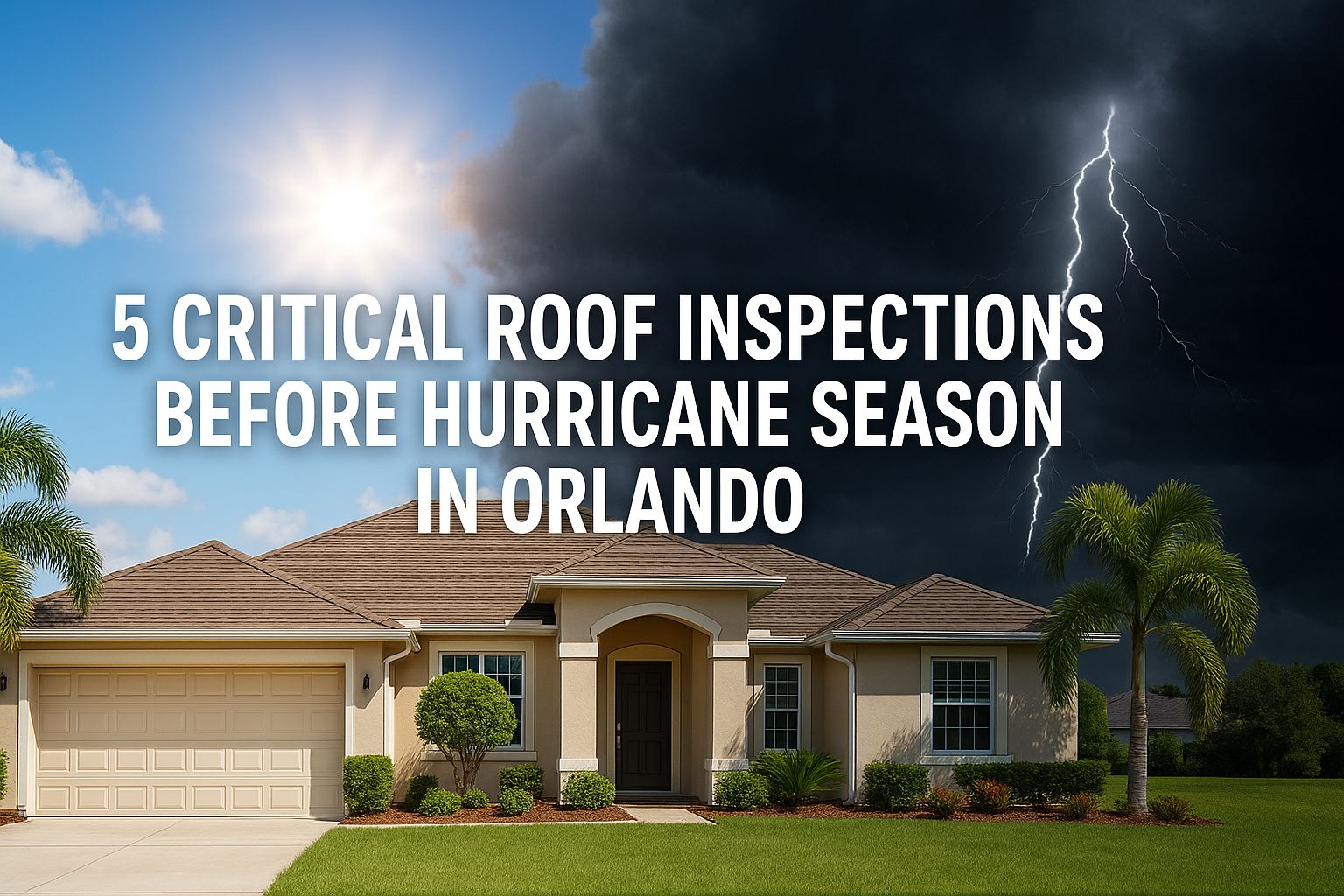
5 Critical Roof Inspections Before Hurricane Season in Orlando
Key Takeaways
- Professional roof inspections before hurricane season can prevent catastrophic damage and potentially save Orlando homeowners thousands in repair costs.
- Five critical areas to inspect include structural integrity, shingles/tiles, gutter systems, flashing/waterproofing, and attic ventilation.
- Documented roof inspections significantly improve the chances of successful insurance claims after storm damage.
- Early detection of minor issues prevents them from becoming major vulnerabilities during hurricane-force winds and heavy rainfall.
- Winter Springs Roofing and Repair recommends scheduling comprehensive roof inspections at least 2-3 months before hurricane season begins.
Orlando’s hurricane season looms large on the horizon. Waiting until storm warnings flash across your TV is too late for roof preparations – by then, roofing companies are swamped and materials are in short supply. A comprehensive roof inspection now can be the difference between weathering the storm safely and facing catastrophic home damage.
Why Orlando Homeowners Can’t Afford to Skip Pre-Hurricane Roof Checks
Orlando’s position in Central Florida creates a unique vulnerability to hurricane damage. While not directly on the coast, our homes still face devastating wind forces, torrential downpours, and flying debris when hurricanes make landfall and move inland. A roof with even minor existing damage becomes exponentially more vulnerable during these extreme weather events.
Many Orlando homeowners are surprised to learn that insurance companies frequently deny claims for hurricane damage if they can determine the roof already had pre-existing issues. The investment in a professional inspection through CK Select Roofing provides documentation that can protect your financial interests when filing claims. Think of it as insurance for your insurance.
The cost of replacing an entire roof system due to hurricane damage can easily reach $15,000-$30,000 for an average Orlando home. Compare that to the relatively modest cost of a professional inspection and preventative repairs. The math simply makes sense – proactive maintenance is always more affordable than emergency replacement.
- Comprehensive professional inspection: $200-$500
- Minor preventative repairs: $300-$1,500
- Complete roof replacement after storm failure: $15,000-$30,000+
- Additional interior damage from water intrusion: $5,000-$20,000+
- Temporary housing costs if home becomes uninhabitable: Varies widely
Orlando’s Unique Hurricane Vulnerability
Orlando’s inland location doesn’t provide the protection many homeowners assume. Hurricanes that make landfall on either coast can maintain significant strength as they traverse the peninsula, subjecting Orlando homes to sustained winds that can exceed 100 mph. Our summer thunderstorm season also means roofs may already be weakened before a hurricane arrives. This combination of factors makes Orlando homes particularly susceptible to roof failures during major storms.
The Hidden Costs of Roof Failure During Storms
When a roof fails during a hurricane, the damage extends far beyond just the roofing materials. Water intrusion can destroy insulation, electrical systems, drywall, flooring, furniture, and irreplaceable personal belongings. Mold can begin growing within 24-48 hours in our humid climate, creating additional health hazards and remediation costs. Many homeowners don’t realize that inadequate roof maintenance can also void warranties on materials, leaving you fully responsible for all costs even if your shingles should have lasted longer.
1. Structural Integrity Assessment: Your Roof’s Foundation
The first and most fundamental inspection focuses on your roof’s underlying structure. This includes examining the trusses, rafters, decking, and support systems that form the foundation of your roofing system. Even the highest quality shingles won’t protect your home if the structure beneath them is compromised. Professional inspectors will look for sagging areas, water damage, rot, and signs of previous repairs that may have weakened the overall integrity.
Warning Signs of Compromised Roof Framing
Several warning signs can indicate potential structural problems that make your roof vulnerable during hurricanes. Visible sagging along the ridgeline is perhaps the most obvious indicator of structural issues – a straight ridge should run the length of your roof. Cracked or split wood members, especially at connection points, significantly reduce your roof’s ability to withstand high winds. Interior ceiling cracks or doors that suddenly don’t close properly might indicate shifting in the roof structure above.
Moisture stains on ceiling materials or in the attic often point to ongoing water intrusion that may be rotting structural components. Even small water stains should never be ignored, as they typically represent a much larger problem hidden from view. Mold or mildew growth on rafters or trusses indicates chronic moisture issues that weaken wood over time and create ideal conditions for rapid deterioration during a hurricane.
Truss and Rafter Inspection Points
Professional inspectors will carefully examine all connection points where trusses meet exterior walls, as these are critical failure points during high winds. Hurricane-force winds create powerful lifting forces that can literally separate your roof from your home’s walls if these connections are inadequate. In Orlando homes built before the strengthened building codes of the 2000s, these connections may not meet current hurricane resistance standards and could benefit from relatively inexpensive hurricane straps or clips.
When to Call a Structural Engineer
If your roofing inspector identifies potential structural concerns, don’t hesitate to consult a structural engineer. This is especially important for older Orlando homes or properties that have undergone DIY modifications to the attic or roofline. While this adds cost upfront, structural engineers can provide specific reinforcement plans that could prevent catastrophic failure. Their documentation can also help secure necessary permits for structural modifications that might be required before hurricane season.
2. Shingle and Tile Evaluation: Your First Line of Defense
Your roof’s surface materials are your home’s first line of defense against hurricane conditions. Professional inspectors will thoroughly evaluate every section of your roof, looking for damaged, missing, or deteriorated shingles or tiles. They’ll also check for proper installation, as improper nailing or adhesive application can lead to dramatic failures even in relatively new roofs. For more detailed guidance, refer to our complete Central Florida roof preparation guide.
Common Damage Patterns in Orlando’s Climate
Orlando’s intense summer heat, afternoon thunderstorms, and occasional hail events create predictable damage patterns on roofing materials. Asphalt shingles often show signs of granule loss, curling edges, and brittleness after just 7-10 years in our climate. Clay or concrete tiles may develop cracks or shift position after thermal expansion and contraction cycles. Metal roofing can experience fastener loosening or panel separation that might not be visible from the ground. These seemingly minor issues create vulnerable points where hurricane winds can begin peeling away roofing materials.
Age-Related Vulnerabilities to Address
Even if your roof appears in good condition, age is a critical factor in hurricane preparedness. Asphalt shingle roofs approaching 15 years in the Orlando climate have typically lost much of their wind resistance capability, even if they still keep out water during normal rains. Metal roofing systems should have fasteners checked and potentially replaced at the 10-year mark. Tile roofs often need underlayment replacement long before the tiles themselves fail. Your inspector should provide a realistic assessment of remaining lifespan specifically in the context of hurricane resistance, which differs from general water resistance. For more detailed information, check out our complete Central Florida roof preparation guide.
The Lift Test: Check Your Shingles’ Wind Resistance
Professional inspectors perform what’s known as a “lift test” on sample areas of shingle roofing. They’ll gently test the adhesion of shingle tabs to ensure they’re properly sealed to the course below. Shingles that lift easily by hand will certainly fail during hurricane-force winds. This test is particularly important for north-facing roof slopes in Orlando, which receive less direct sunlight and may never have properly sealed. Roofs installed during winter months may also have adhesion issues if temperatures weren’t warm enough for proper thermal sealing.
Proper Fastening Methods for Hurricane-Force Winds
The difference between a roof that survives a hurricane and one that fails often comes down to fastening methods. Orlando’s building codes now require enhanced nailing patterns for new roofs, but many existing homes have inadequate fastening. Professional inspectors will verify that shingles are secured with the correct number, type, and placement of nails. For tile roofs, they’ll check that each tile is properly secured and that hip and ridge tiles have the additional fastening required for these vulnerable areas. Metal roof inspections focus on screw quantity, type, and whether rubber washers remain intact to prevent water intrusion.
3. Gutter System and Drainage Check
Gutters and drainage systems play a crucial but often overlooked role in hurricane protection. During intense rainfall, functioning gutters channel water safely away from your home’s foundation and structural elements. Damaged or clogged gutter systems can cause water to back up under roofing materials or overflow against your home’s exterior, potentially causing serious structural damage. Professional inspectors will thoroughly evaluate your entire drainage system for hurricane readiness.
Clearing Blockages Before Heavy Rains
Orlando’s abundant oak trees, pine needles, and palm fronds create constant gutter maintenance challenges. Hurricane preparations must include complete clearing of all gutters, downspouts, and roof valleys. Professional inspectors will check for compacted debris that may be invisible from ground level but can cause immediate backup during heavy rains. They’ll also verify that gutter guards, if installed, are secure and functioning properly. Remember that hurricanes can deliver 10+ inches of rain in hours – your drainage system needs to handle this volume without failure.
The Ideal Timeline Before Hurricane Season
Planning your roof inspection well ahead of hurricane season is crucial for Orlando homeowners. The official Atlantic hurricane season runs from June 1 to November 30, but preparation should begin much earlier. I recommend scheduling comprehensive roof inspections no later than March or April, giving you ample time to complete any necessary repairs before storm threats emerge. For more details, check out our complete Central Florida roof preparation guide.
This timeline also helps you avoid the pre-season rush when quality contractors become booked solid. Roofing materials can also face supply chain issues as hurricane season approaches, potentially delaying critical repairs. Early inspections allow you to address problems methodically rather than rushing fixes that might not withstand severe weather.
DIY Preliminary Checks vs. Professional Assessments
While professional inspections are essential, homeowners can conduct preliminary evaluations to identify obvious concerns. Walk your property looking for fallen shingle granules or tile pieces, check interior ceilings for water stains, and use binoculars to spot missing or damaged roofing materials from the ground. These observations provide valuable information to share with your professional inspector, but they should never replace a comprehensive roof evaluation by a licensed roofing contractor who can safely access all areas of your roof. For more detailed preparation tips, check out this complete roof preparation guide.
The Insurance Advantage: How Documented Inspections Protect Your Wallet
One of the most valuable benefits of pre-hurricane roof inspections is the documentation they provide for insurance purposes. Many Orlando homeowners discover too late that their insurance claims are denied because carriers determine damage was pre-existing or resulted from poor maintenance rather than storm impact. A professional inspection creates dated evidence of your roof’s condition before hurricane season.
Insurance companies increasingly scrutinize roof-related claims in Florida due to rising costs and fraud concerns. Having comprehensive documentation from a reputable roofing contractor like Winter Springs Roofing and Repair can mean the difference between a fully covered claim and thousands in out-of-pocket expenses. Always keep inspection reports, photographs, and repair receipts in your hurricane preparedness file.
Policy Requirements You Might Not Know About
Many Florida insurance policies contain specific maintenance requirements that homeowners often overlook until it’s too late. Some policies explicitly require professional roof inspections every 1-3 years or following major storms. Others contain clauses that reduce coverage for roofs over a certain age unless they’ve been certified by a professional. Review your policy carefully or ask your insurance agent about specific roof inspection requirements that might affect your coverage during hurricane season.
Documentation That Ensures Faster Claims
Beyond simply protecting your right to make a claim, proper documentation speeds up the claims process when you need help most. After a hurricane, insurance adjusters face overwhelming caseloads and limited time at each property. Having pre-storm inspection reports, photographs, and maintenance records allows adjusters to quickly distinguish between pre-existing conditions and hurricane damage. This documentation often results in faster approvals and more comprehensive coverage when you’re trying to repair your home and restore normalcy after a disaster.
Act Now to Protect What Matters Most
Your roof is your home’s first and most important defense against hurricane destruction. Taking action now with thorough inspections can prevent the heartbreak of avoidable damage to your home and possessions. The relatively small investment in professional roof assessments and preventative maintenance pays enormous dividends in protection and peace of mind when storms threaten.
Remember that roof inspections aren’t just about the roofing materials – they’re a comprehensive evaluation of your home’s entire protective system. The five critical inspection areas we’ve covered work together to create a hurricane-resistant shield for your family and belongings. Don’t wait until the weather forecast turns ominous – contact a reputable roofing professional today to schedule your pre-hurricane roof evaluation.
Frequently Asked Questions
Orlando homeowners often have specific questions about hurricane preparation and roof inspections. Here are answers to the most common inquiries we receive about protecting your home before storm season arrives.
How much does a professional roof inspection cost in Orlando?
Professional roof inspections in Orlando typically cost between $200-$500 depending on roof size, complexity, and accessibility. Many reputable roofing companies offer free basic inspections if you’re considering repairs or replacement through their services. More comprehensive evaluations that include thermal imaging, moisture readings, and detailed documentation will be at the higher end of the price range. For more information on preparing your roof for severe weather, check out this Central Florida roof preparation guide.
Consider this cost in perspective – even a minor roof leak during a hurricane can cause thousands in interior damage. The inspection fee is minimal protection against potential catastrophic expenses.
Can I perform any of these inspections myself, or do I need a professional?
While homeowners can and should perform regular visual inspections from the ground and inside the attic, professional evaluations are essential before hurricane season. Professionals have the proper safety equipment, training, and experience to identify subtle issues that homeowners typically miss. They can also safely access all roof areas without causing damage to shingles or tiles.
That said, homeowners should maintain awareness of their roof’s condition between professional inspections. Look for water stains on ceilings, missing or damaged roofing materials visible from the ground, and check your attic after heavy rains for signs of leaks. Report any concerns to a professional promptly rather than waiting for your next scheduled inspection.
How long before hurricane season should I schedule these inspections?
Ideally, schedule comprehensive roof inspections 2-3 months before hurricane season begins on June 1st. This timeline allows sufficient opportunity to complete any necessary repairs or reinforcements before storm threats emerge. In Orlando, this means scheduling inspections in March or April at the latest.
If you’ve recently purchased a home or haven’t had an inspection in several years, don’t wait for the pre-season timeline – schedule an evaluation immediately regardless of the season. Existing problems will only worsen with time and could create significant vulnerabilities during unexpected early-season storms.
Will my homeowner’s insurance cover the cost of pre-hurricane roof repairs?
Standard homeowner’s insurance typically doesn’t cover preventative repairs or maintenance, even when they’re intended to prevent hurricane damage. However, if your inspection reveals damage from a specific covered event like hail or a fallen tree, those repairs may be eligible for insurance coverage.
Some insurers offer programs that contribute to roof maintenance or reinforcement if it reduces their risk exposure. Ask your insurance agent about any available programs that might help offset the cost of hurricane-proofing your roof.
Remember that while immediate repair costs might come out of pocket, they’re almost always less expensive than meeting your hurricane deductible after significant damage. Many Orlando homeowners face hurricane deductibles of 2-10% of their home’s insured value – often $5,000 to $25,000 or more.
Additionally, documented roof maintenance and repairs can sometimes help you negotiate lower insurance premiums or avoid non-renewal, which has become increasingly common in Florida’s challenging insurance market.
- Some policies offer “Ordinance or Law” coverage that helps pay for upgrades required by current building codes
- Mitigation discounts may be available after hurricane-resistant improvements
- Wind mitigation inspections (different from standard roof inspections) can qualify you for premium discounts
- Some counties occasionally offer hurricane preparedness grants for qualified homeowners
- Certain energy-efficient roof upgrades may qualify for tax incentives while also improving hurricane resistance
What upgrades should I consider if my roof fails one of these inspections?
If your inspection reveals hurricane vulnerabilities, several upgrade options can dramatically improve your roof’s storm resistance. The most comprehensive protection comes from a complete roof replacement using impact-resistant materials designed for high-wind zones. Metal roofing systems, properly installed, offer excellent hurricane resistance with lifespans of 40+ years in Orlando’s climate.
For roofs in reasonable condition but lacking certain hurricane-resistant features, selective upgrades might be sufficient. These include installing hurricane straps to strengthen roof-to-wall connections, applying secondary water barriers during re-roofing, reinforcing gable ends, and upgrading to ring-shank nails with enhanced pull-out resistance.
The roof deck’s integrity is crucial during hurricanes, so consider upgrading to thicker plywood or adding proper deck attachments if your current installation is inadequate. This is especially important for homes built before Florida strengthened its building codes following Hurricane Andrew in 1992.
CK Select Roofing specializes in hurricane-resistant roof upgrades for Orlando homes. Our professional team can assess your specific needs and recommend cost-effective solutions that provide maximum protection for your property and family when storms threaten.
Leave A Comment